Are you ready to transform your kitchen space? With 2026 just around the corner, many of us are craving fresh inspiration for our homes. The kitchen, often called the heart of the home, deserves a stunning floor that ties everything together. That’s why I’ve compiled this guide on the hottest kitchen tile floor trends for 2026. Whether you’re a seasoned decorator or just looking for a change, these ideas will elevate your kitchen design.
If you love home decor and have a passion for creating inviting spaces, this post is for you. You care about style, sustainability, and functionality, and what you’ll find here is a curated list of 18 trending kitchen tile flooring ideas. These suggestions include eco-friendly options, modern tile designs, and durable materials that can withstand daily wear and tear. With this guide, you’ll discover how to blend aesthetics with practicality, making your kitchen not just beautiful, but also a cozy and welcoming space for family and friends.
By exploring these trending ideas, you’ll gain valuable insights into how to select the perfect tile flooring for your kitchen. Expect to see unique designs, patterns, and eco-friendly materials that suit your style and budget. From sustainable cork tiles to luxurious vinyl options, this post will help you choose the right flooring to create a kitchen you’ll love for years to come.
[link-whisper-related-posts]Key Takeaways
– Discover the latest kitchen flooring trends that balance style and sustainability, perfect for your 2026 renovation plans.
– Explore a variety of modern tile designs, including patterned ceramic tiles and geometric shapes that add flair to your kitchen.
– Learn about eco-friendly options like glass tiles and natural stone that contribute to a healthier home environment.
– Find out how durable kitchen floors can enhance functionality without sacrificing aesthetics, making your space both trendy and practical.
– Get inspired by unique ideas like vintage-inspired tiles and textured concrete, offering both character and charm to your kitchen.
1. Sustainable Cork Tiles
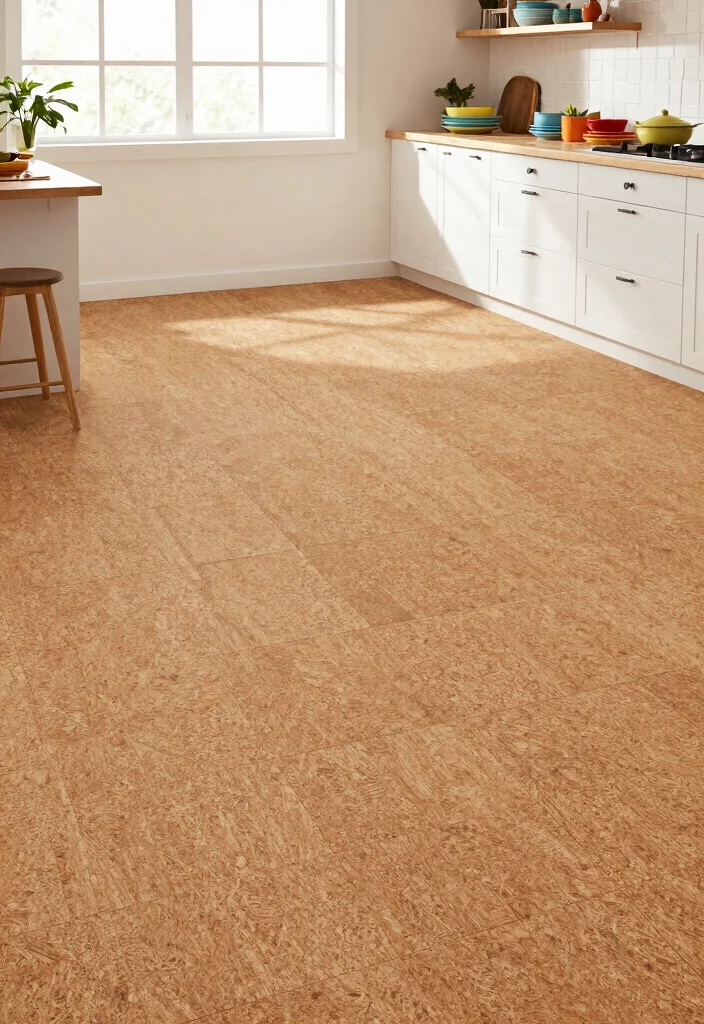
Sustainable cork tiles are redefining eco-friendly kitchen flooring. Sourced from the bark of cork oak trees, these tiles offer a renewable and cozy option that feels great underfoot. Their natural insulation keeps your kitchen warm and inviting, while earthy tones blend seamlessly with various design aesthetics, from modern to rustic.
To fully embrace cork’s benefits, select certified organic tiles with protective finishes for enhanced durability. Regular sweeping and occasional damp mopping will keep your cork floors looking fresh and beautiful. This choice not only contributes to a healthier planet but also creates a comforting atmosphere in your kitchen.
Consider these tips for incorporating cork tiles:
– Pair cork tiles with light wood cabinetry for warmth.
– Use area rugs to define spaces and add comfort.
– Install cork tiles in varying tones for added depth.
With their natural textures, sustainable cork tiles elevate your kitchen’s aesthetic while providing comfort and style.
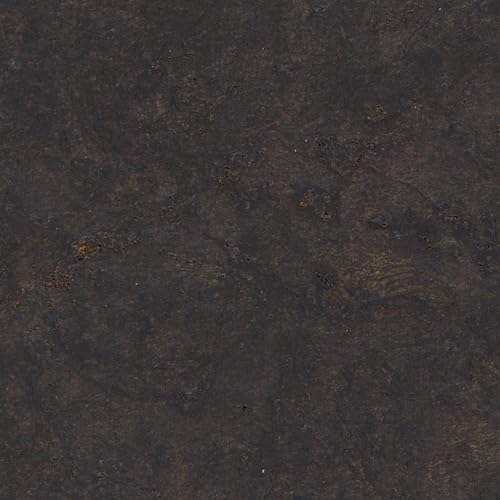
PREMIUM CORK FLOORING: Our PVC-free cork flooring delivers lifetime performance with the natural touch & feel of cork; the floating floor combines the realistic elegance of natural stone with the warmth & softness of cork

Reinforced bottom felt pad-The upgraded cup-shaped felt pad grips the chair legs securely. The durable design provides long-lasting protection while preventing scratches, scuffs, and damage to hardwood, tile, and laminate floors.
2. Terracotta for Timeless Charm
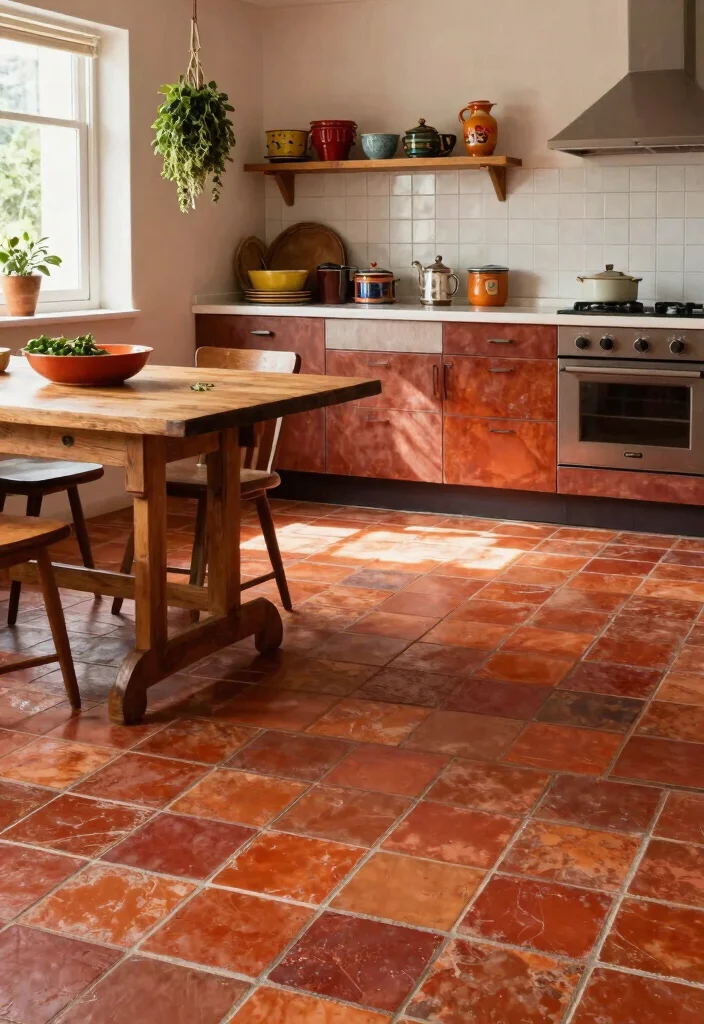
Terracotta tiles bring timeless Mediterranean charm to your kitchen. Their warm, earthy hues—from deep reds to rich browns—create a cozy yet sophisticated ambiance. This durable material is perfect for high-traffic areas, ensuring longevity while enhancing your kitchen’s character.
To refresh your kitchen, pair terracotta with sleek cabinetry or modern appliances, achieving a beautiful contrast that balances old-world charm with contemporary elegance. Don’t forget to seal your terracotta tiles to protect against stains and moisture, preserving their beauty for years to come.
Here are some tips for integrating terracotta tiles:
– Use terracotta in a herringbone pattern for visual interest.
– Combine with white cabinetry for a striking contrast.
– Accessorize with natural textiles to complement the tones.
This choice not only enriches your kitchen’s style but also brings warmth and texture to the space.
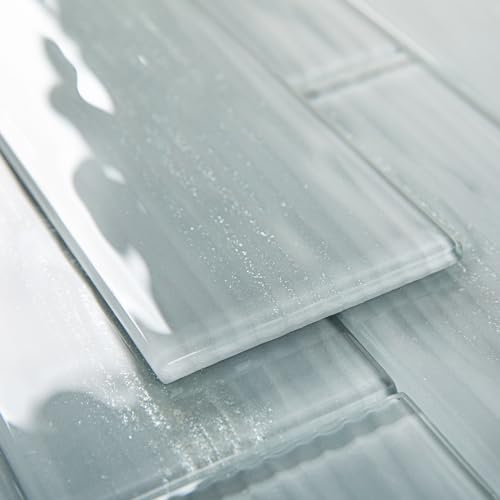
【Peel and Stick】Diflart peel and stick glass tiles are self-adhesive design, no grout, no mess, easy to install.

Tile Size & Coverage Area: 3 x 12 Inch (75 x 300 x 8mm), 16 sheets/box, totally 4 sq.ft.
3. Patterned Ceramic Tiles
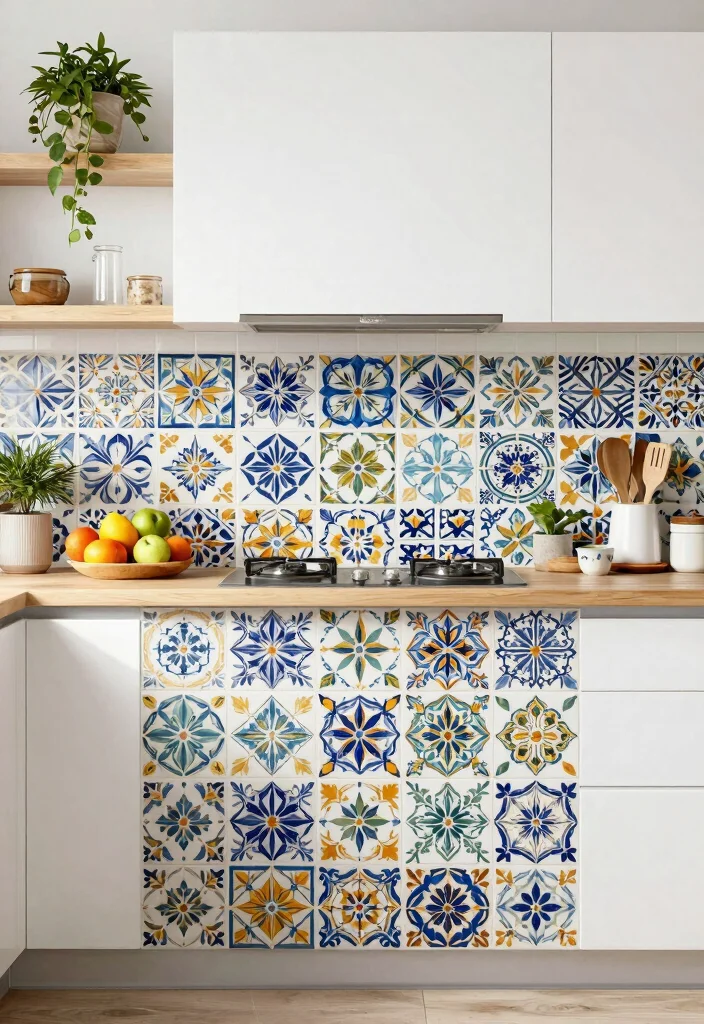
Inject personality into your kitchen with vibrant patterned ceramic tiles. Available in a plethora of colors, shapes, and designs, these tiles allow you to express your unique style. From geometric to floral patterns, the possibilities are endless, creating an eye-catching focal point in your kitchen.
For a harmonious look, consider using smaller patterned tiles within a cohesive color palette. Pair them with solid cabinetry or countertops to balance the boldness and enhance visual appeal. This playful approach can transform your kitchen into a lively and inviting space.
Explore these ideas for using patterned ceramic tiles:
– Use a bold patterned border to frame your flooring.
– Incorporate patterned tiles in a backsplash for continuity.
– Mix different patterns in a controlled color scheme.
This creative use of tiles can elevate your kitchen’s aesthetic and make it a true reflection of your style.

Key Trade-offs & Our Top Pick
Sustainable Cork Tiles
– Pros: Cork tiles are eco-friendly and made from renewable resources. They provide excellent sound absorption and warmth underfoot.
– Cons: They can be prone to scratches and may fade in direct sunlight. Regular sealing is needed to maintain their appearance.
– Best for: Homeowners looking for an eco-friendly option that adds warmth to the kitchen space.
Reclaimed Wood Look Tiles
– Pros: Offers the beauty of wood without the maintenance. These tiles are durable and resistant to moisture, making them ideal for kitchens.
– Cons: Some may find them less authentic than real wood. They can also be more expensive than traditional tiles.
– Best for: Those who want a rustic look without the upkeep of real wood flooring.
Geometric Patterns for a Modern Twist
– Pros: Geometric tiles can create striking visuals and add uniqueness to your space. They are available in various materials and colors.
– Cons: Installation can be complex, and misalignment is more noticeable. They may require more cleaning due to their intricate designs.
– Best for: Homeowners who want a trendy and artistic look in their kitchens.
Textured Tiles for Added Appeal
– Pros: Textured tiles provide slip resistance, making them practical for kitchens. They also add an interesting tactile element to your floors.
– Cons: They may collect dirt and grime in the crevices, requiring more frequent cleaning. Some textures can feel rough underfoot.
– Best for: Families with children or pets who need a safe and stylish flooring option.
Eco-Friendly Glass Tiles
– Pros: Made from recycled materials, glass tiles are a sustainable choice. They reflect light beautifully and come in a variety of colors.
– Cons: Glass tiles can be prone to chipping and require regular maintenance to keep them looking new. They may also be slippery when wet.
– Best for: Modern kitchens aiming for a sleek, contemporary look.
Best Overall: Sustainable Cork Tiles
Sustainable cork tiles are our top pick for most kitchens. They provide excellent value for money with their eco-friendly nature and comfort underfoot. Cork is versatile, making it suitable for various kitchen designs. Plus, its durability means it will last for years with the right care.
Why We Picked This:
While cork tiles stand out for their sustainability and comfort, you might prefer other options. If you lean towards a rustic feel, reclaimed wood look tiles are fantastic. For a bold statement, geometric patterns can be your go-to. Lastly, textured tiles work well for safety and family-friendly spaces. Choose based on what fits your lifestyle and design goals!

𝐏𝐫𝐞𝐦𝐢𝐮𝐦 𝐏𝐞𝐫𝐟𝐨𝐫𝐦𝐚𝐧𝐜𝐞: Our peel and stick wall tiles are designed with high-performance PVC polymer material, offering waterproof, heat-resistant, stain-resistant, anti-scratch, and fadeless properties. Rest assured, the super-strong adhesive ensures the tiles stay securely in place!

Unique 3D Design: Transform your space with these 3D peel and stick wall tiles that enhance shower walls, kitchen backsplash, or accent walls, offering a luxurious look without the high cost

Versatile Design: Explore the GlueCore MOSAIC collection of durable vinyl flooring options, including elegant bathroom tiles, luxurious marble look flooring, and unique rhombus shaped designs. Mix and match hexagon and rhombus gluedown LVTs in solid, wood, stone, and carpet styles to create a unique look for any space. Ideal for high-traffic commercial areas with a durable matte finish, perfect for modern home renovations and commercial flooring solutions.
4. Reclaimed Wood Look Tiles
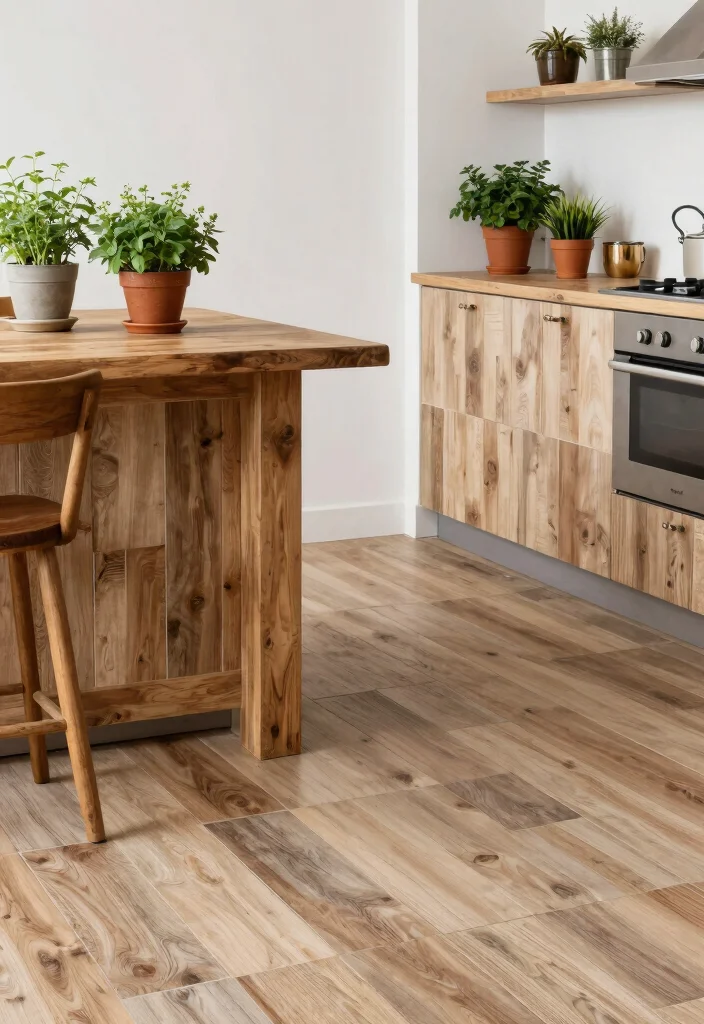
Embrace the beauty of wood in your kitchen with reclaimed wood look tiles. These tiles offer the warmth and character of natural wood while providing the durability of ceramic or porcelain. Perfect for adding rustic charm, they are also easy to maintain and resistant to moisture.
To create a cohesive look, pair reclaimed wood tiles with other natural elements like stone or metal fixtures. They adapt beautifully to both modern and traditional kitchens, enhancing the overall design. This style choice allows you to enjoy the aesthetics of wood without the upkeep.
Consider these tips when using reclaimed wood look tiles:
– Install them in a staggered pattern for a more authentic look.
– Combine with earthy tones in your decor for harmony.
– Use contrasting grout colors to highlight the wood effect.
This flooring option not only adds warmth but also contributes to a stylish and inviting kitchen atmosphere.
Reclaimed wood look tiles bring warm, rustic charm to your kitchen tile floor—without sacrificing durability. Pair them with stone or metal fixtures to create a cohesive, eco-friendly space that’s easy to maintain and moisture-resistant.

PREMIUM QUALITY & CHARM: Crafted from hand selected natural stones, each tile features unique color variations, enhancing your home decor, bathroom decor, and wall decor. The organic appeal adds character to any space, making it perfect for house decor and sophisticated styling.
5. Large Format Tiles
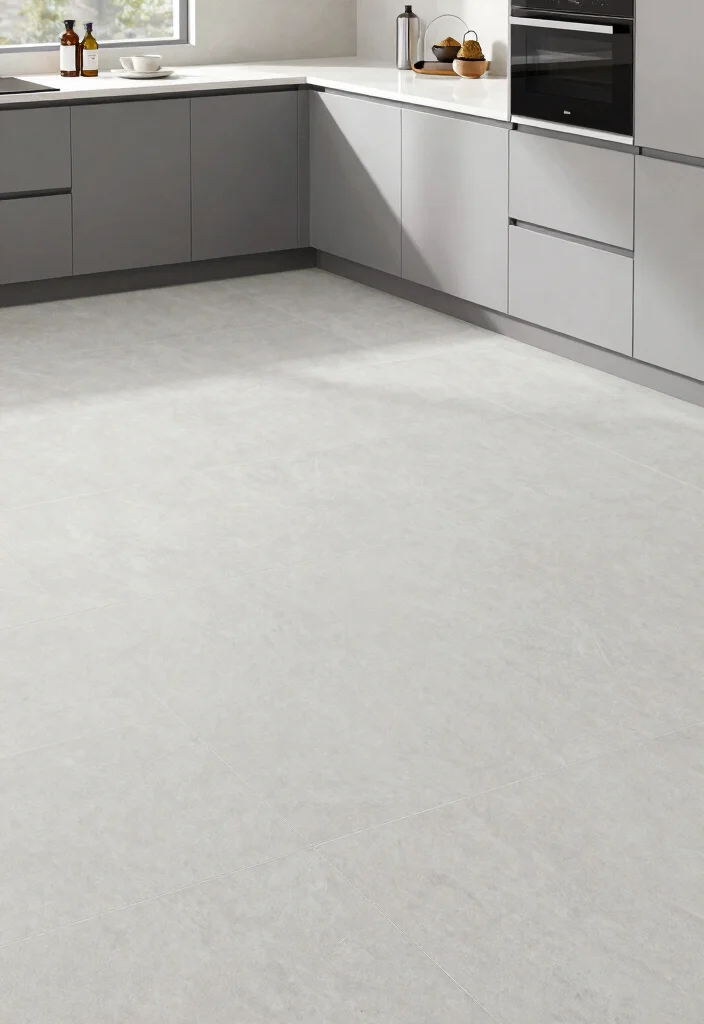
Large format tiles are revolutionizing kitchen design with their sleek and modern aesthetic. By minimizing grout lines, they create a seamless look that can make even small kitchens feel spacious. Available in various materials, these tiles offer versatility for any design style.
Choose tiles in light colors for an airy ambiance or dark hues for a dramatic effect. Their size allows for creative laying patterns, whether straight or diagonal, giving you flexibility in design. This contemporary approach enhances the overall elegance of your kitchen.
Here are some ideas for incorporating large format tiles:
– Lay tiles diagonally to create a dynamic feel.
– Use light-colored tiles to reflect natural light.
– Pair with minimalist cabinetry for a streamlined look.
This design choice not only simplifies maintenance but also elevates your kitchen’s overall aesthetic.

Compatibility Range: These chair leg floor protectors fit round furniture legs measuring 33–50 mm (1.3–1.97 inches) in diameter. The flexible chair leg sleeves stretch to wrap snugly around each leg. Please measure your furniture legs before ordering to ensure a proper fit.

Stretchable Fit for Multiple Leg Shapes & Sizes- Fits round chair legs with a diameter of 3/4" to 1-3/16" (19-30mm) and works well with straight or angled chair legs, providing a secure fit for many furniture styles.
6. Eco-Friendly Glass Tiles
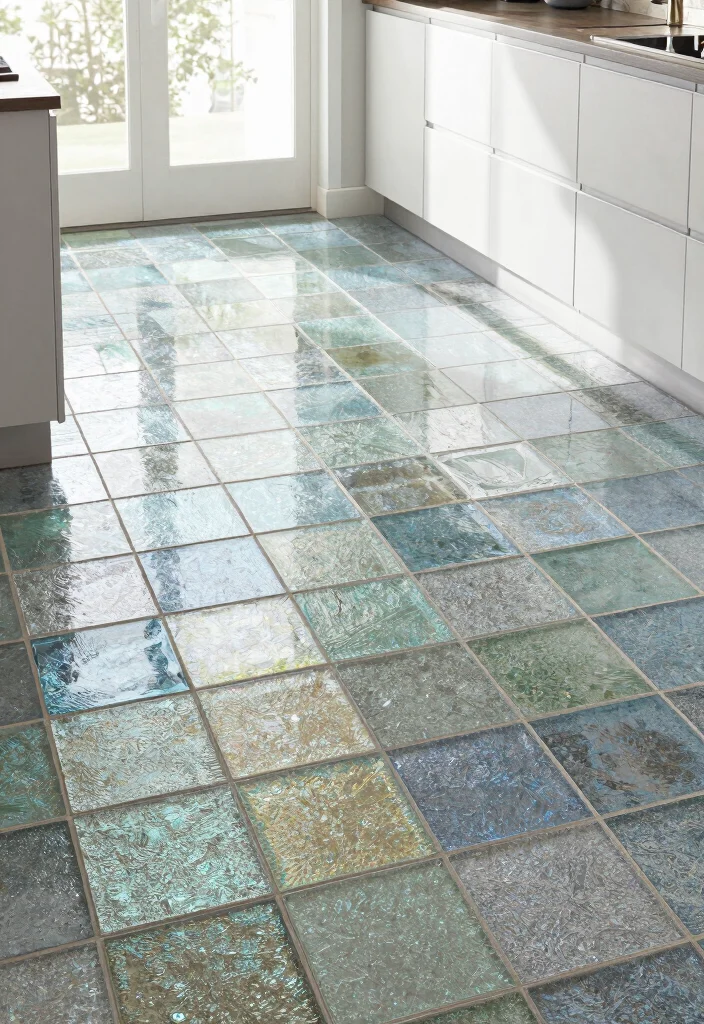
For a stunning and sustainable flooring option, consider eco-friendly glass tiles. Made from recycled glass, these tiles not only catch the eye but also reflect a commitment to the environment. Their ability to reflect light adds brightness and elegance, transforming your kitchen into a vibrant space.
While primarily used for backsplashes, thicker glass tiles are now available for flooring. Ensure professional installation for safety and longevity. This modern choice beautifully integrates style with sustainability, making it a perfect fit for eco-conscious homeowners.
Consider these tips for using glass tiles:
– Use glass tiles in a mosaic pattern for added texture.
– Pair with natural materials for a balanced look.
– Incorporate colored glass to introduce personality.
This stylish and eco-friendly choice enhances your kitchen while contributing to a greener planet.

Eco-Friendly Recycled Glass: Made from high-quality recycled glass, offering a sustainable and modern mosaic solution with a smooth, light-reflective surface.

📐 SIZE: 3 x 10 x 0.15 Inch, 10 pieces/box cover 2 sq.ft.
7. Bold Color Choices
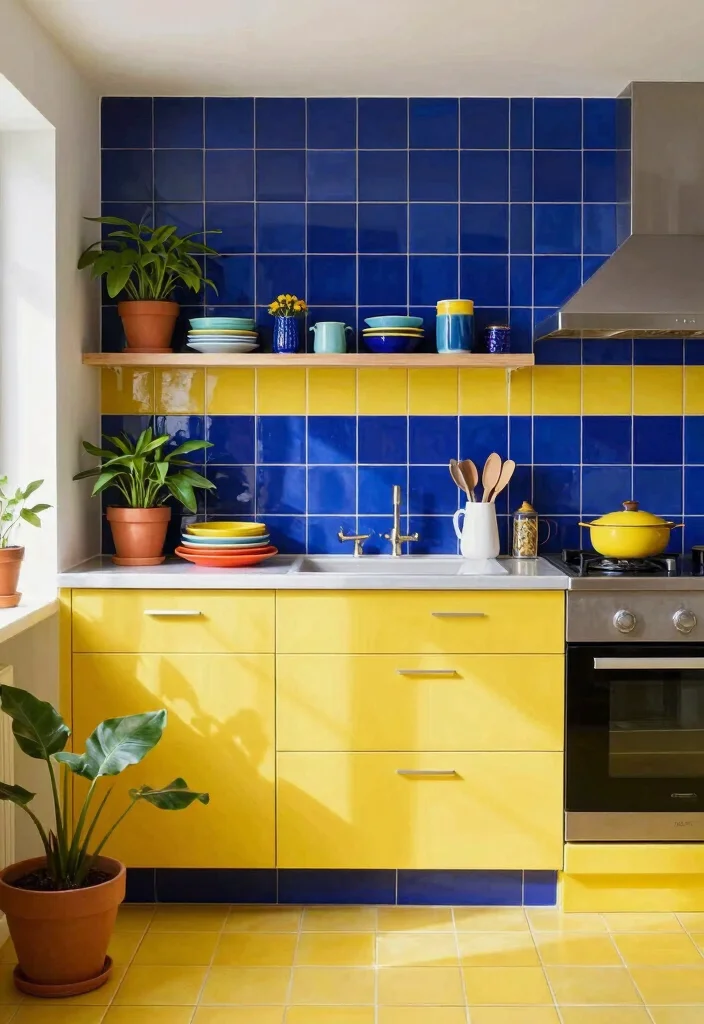
If you’re ready to make a statement, bold color tiles can transform your kitchen flooring into a vibrant masterpiece! Bright hues like blue, green, and yellow inject energy and personality, creating a lively atmosphere. Pairing these colors with neutral walls or cabinetry allows the tiles to shine without overwhelming the space.
To achieve a cohesive look, incorporate accent colors through decor, such as dishware or kitchen textiles, that harmonize with your flooring. This creative approach can truly reflect your individual style while energizing the kitchen.
Here are some ideas for using bold colors:
– Choose bright tiles for an accent area, like an island.
– Mix and match colors in a playful pattern.
– Use a single bold color for a dramatic effect.
This daring choice not only enhances the kitchen’s personality but also creates an inviting environment for cooking and gathering.


Coverage and Packaging: 10.76 square feet, 9 pieces per case; Case weight is 40.95 lbs

Effortless Peel-and-Stick Installation:Give your space an instant upgrade! These self-adhesive vinyl tiles bond firmly to clean, flat surfaces in minutes—no tools or messy glue needed. Great for DIY kitchen, bathroom, or living room makeovers.
8. Textured Tiles for Added Appeal
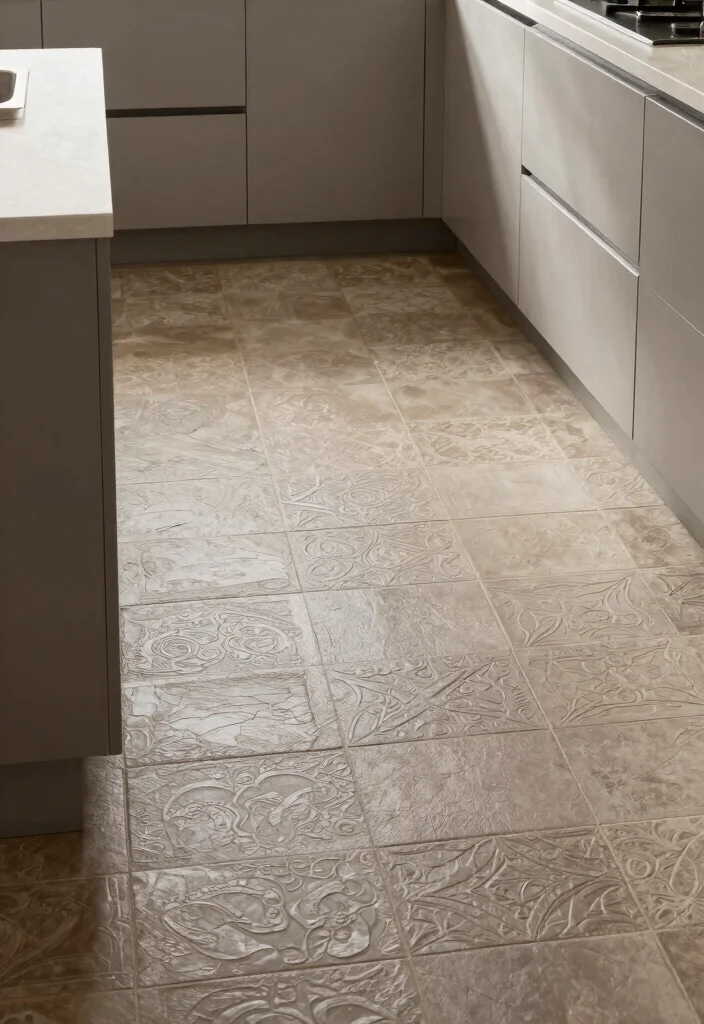
Textured tiles are a fantastic way to infuse depth and character into your kitchen floor. Available in materials like porcelain, ceramic, and natural stone, these tiles provide a tactile experience that smooth tiles lack. Textures such as matte finishes or embossed patterns enhance grip and safety, especially in a busy kitchen.
Pairing textured tiles with smooth surfaces creates a beautiful contrast, adding layers to your kitchen’s design. This approach not only elevates the aesthetic but also improves functionality.
Consider these tips for using textured tiles:
– Mix textured tiles with smooth cabinetry for contrast.
– Use textured tiles in high-traffic areas for safety.
– Choose complementary colors to maintain harmony.
This design choice enriches your kitchen’s style while enhancing safety and comfort.

【Sophisticated Marble Design】:Transform your space with these peel and stick wall tiles featuring a sophisticated marble-inspired design (not real marble tiles). Perfect for enhancing washroom walls, kitchen backsplashes, or accent walls, these tiles deliver a high-end look without the high cost.(Not suitable for use on floors and in high humidity shower rooms.)

【Hexagon DESIGN】Hexagon patterns look very unique.realistic appearance like marble,3d Marble relief effect,not suitable for walls with powder on the surface

3D Metal Mosaic Tiles: This is self adhesive wall tile, made of aluminum, non-fading, scratch-resistant, easy to maintain. Each piece is 12 inch x 12 inch x 0.2 inch, 1pc = 1 sq ft, 8pcs = 8self-adhesive sq ft. *Note: Please measure dimensions before installation, and confirm the color you want after receiving the items. If there is any questions, please contact us
9. Geometric Patterns for a Modern Twist
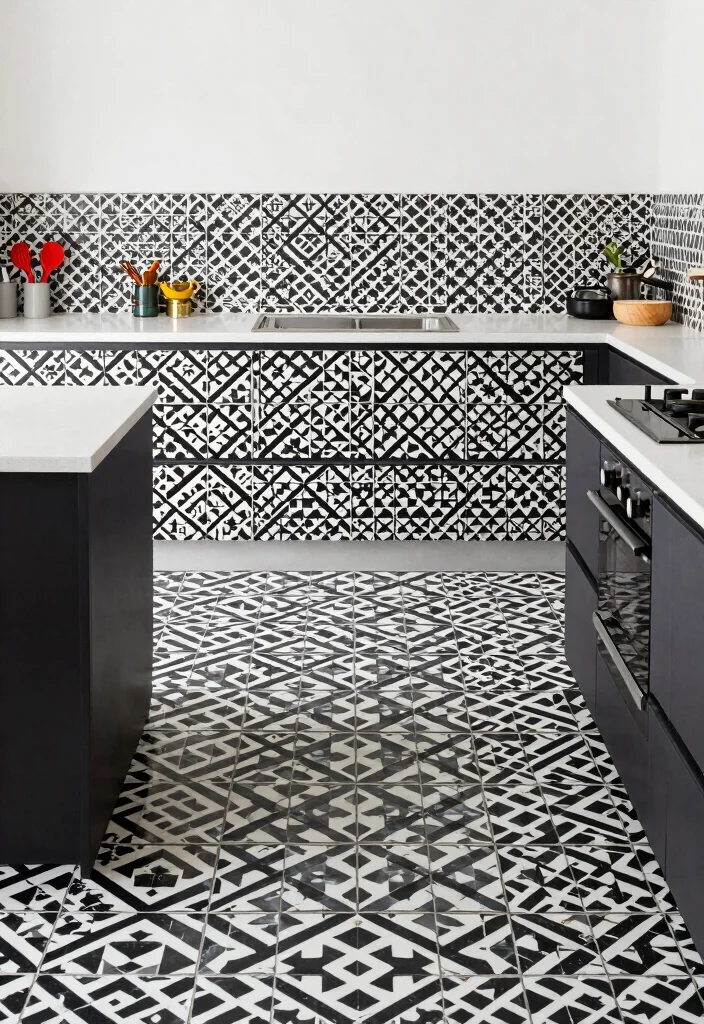
Geometric patterns are making waves in tile flooring, offering a modern twist to your kitchen space. With designs ranging from simple shapes to intricate arrangements, these tiles can create unique and artistic floor layouts. Geometric tiles guide the eye and can serve as focal points within your kitchen.
Pairing these tiles with solid colors or simple cabinetry enhances their impact, allowing their beauty to shine. For larger kitchens, consider using varying geometric shapes to define different areas like dining or cooking spaces, providing an organized flow.
Explore these ideas for using geometric patterns:
– Use large geometric tiles to create a bold statement.
– Mix shapes for a playful and dynamic layout.
– Incorporate geometric tiles in a backsplash for continuity.
This stylish approach adds personality to your kitchen while maintaining a modern aesthetic.

Made of 100% All Natural Slate

SUPERIOR QUALITY & PRECISION: Each pebble tile is hand selected and meticulously arranged, ensuring exceptional quality and precision, creating a flawless finish for any home decor, bathroom decor, bedroom decor, or kitchen decor project, whether residential or commercial.

SUPERIOR QUALITY & PRECISION: Each pebble tile is hand selected and meticulously arranged, ensuring exceptional quality and precision, creating a flawless finish for any home decor, bathroom decor, bedroom decor, or kitchen decor project, whether residential or commercial.
10. Luxury Vinyl Tiles
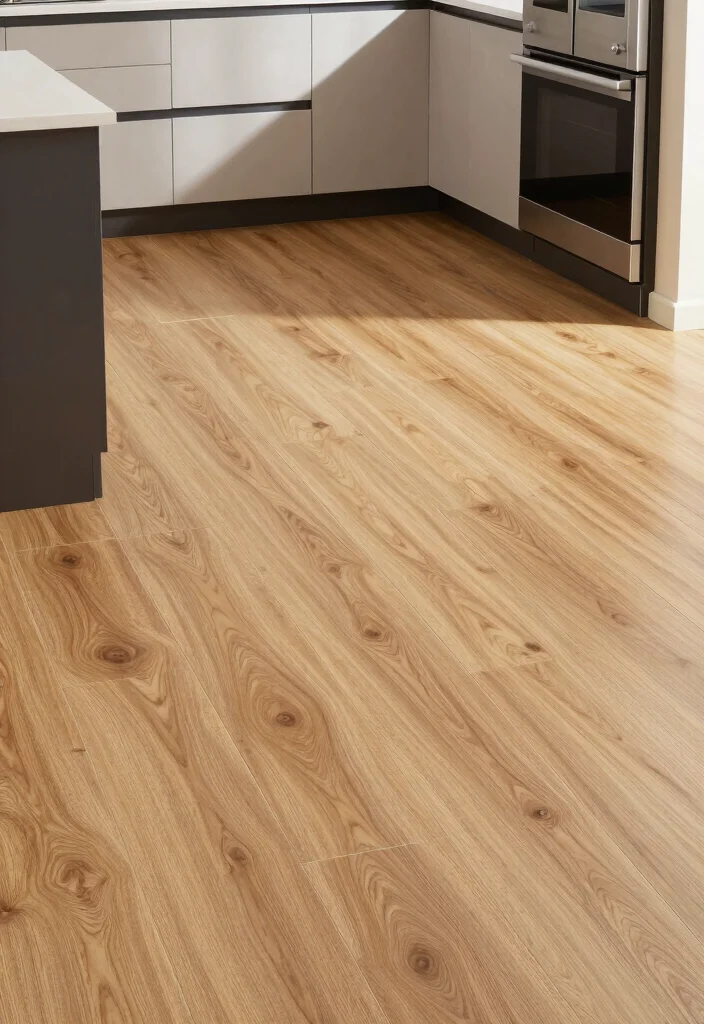
Luxury vinyl tiles (LVT) are an ideal choice for those who value style and durability. Available in designs that mimic wood and stone, LVT is moisture-resistant and perfect for kitchen environments. This flooring option is soft underfoot, making it comfortable for long hours spent cooking and cleaning.
With easy installation methods like stick-down or click-lock, LVT simplifies updates to your kitchen. For a cohesive look, consider using planks in warm wood tones to create an inviting finish that can withstand heavy traffic.
Here are some tips for incorporating luxury vinyl tiles:
– Use wood-look planks for a warm, rustic feel.
– Combine different shades for a layered look.
– Place LVT in open-concept spaces for continuity.
This practical choice not only enhances your kitchen’s style but also offers easy maintenance for busy households.
11. Terrazzo Tiles for an Artistic Flair
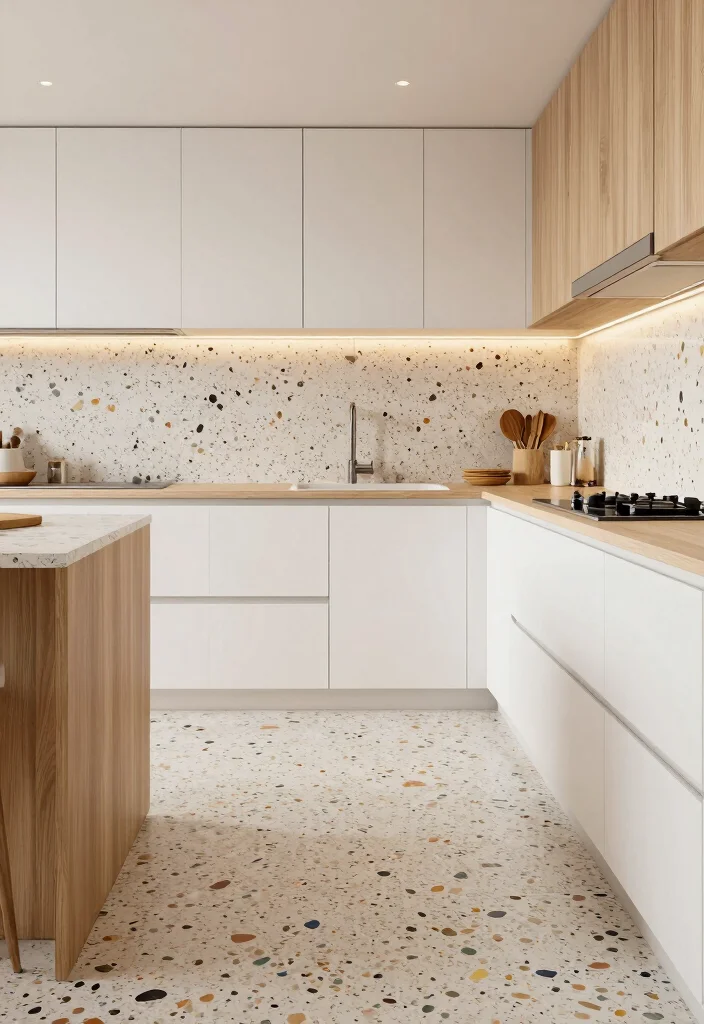
Terrazzo tiles are experiencing a resurgence, adding chic artistic flair to kitchens. Characterized by their speckled appearance, created by mixing chips of marble, glass, or other materials, terrazzo offers a unique look that stands out. Available in a variety of color schemes, these tiles can enhance any kitchen style, from modern to vintage.
Incorporating large-format terrazzo tiles makes a bold statement, while smaller tiles allow for creative patterns. This versatile option can serve as an eye-catching element, enriching your kitchen’s overall design.
Consider these tips for using terrazzo tiles:
– Use large tiles for a seamless, modern look.
– Create patterns with smaller tiles for visual interest.
– Pair with sleek cabinetry to highlight the design.
This stylish choice brings individuality to your kitchen while remaining functional and easy to maintain.
12. Eco-Friendly Natural Stone
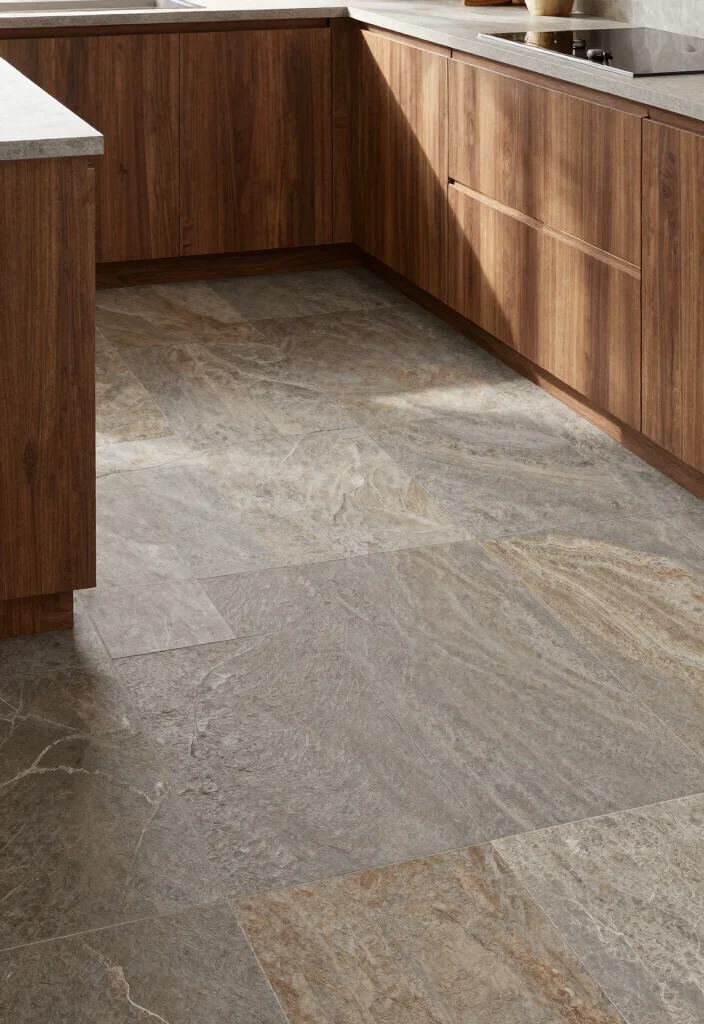
Natural stone tiles like slate, granite, and limestone introduce organic beauty to your kitchen while being eco-friendly. Each stone has unique colors and textures, providing a one-of-a-kind flooring solution. Extremely durable, natural stone can handle heavy foot traffic while offering excellent thermal properties for your kitchen.
To protect against stains and moisture, sealing your natural stone tiles is essential. Combined with wooden cabinets or natural decor elements, these tiles create a harmonious atmosphere that embraces nature.
Explore these tips for using natural stone tiles:
– Use in a neutral palette for a sophisticated look.
– Pair with rustic elements for a cozy feel.
– Incorporate stones with varying textures for depth.
This choice enhances your kitchen’s aesthetic, creating a warm and inviting space.
13. Mosaics for Artistic Expression
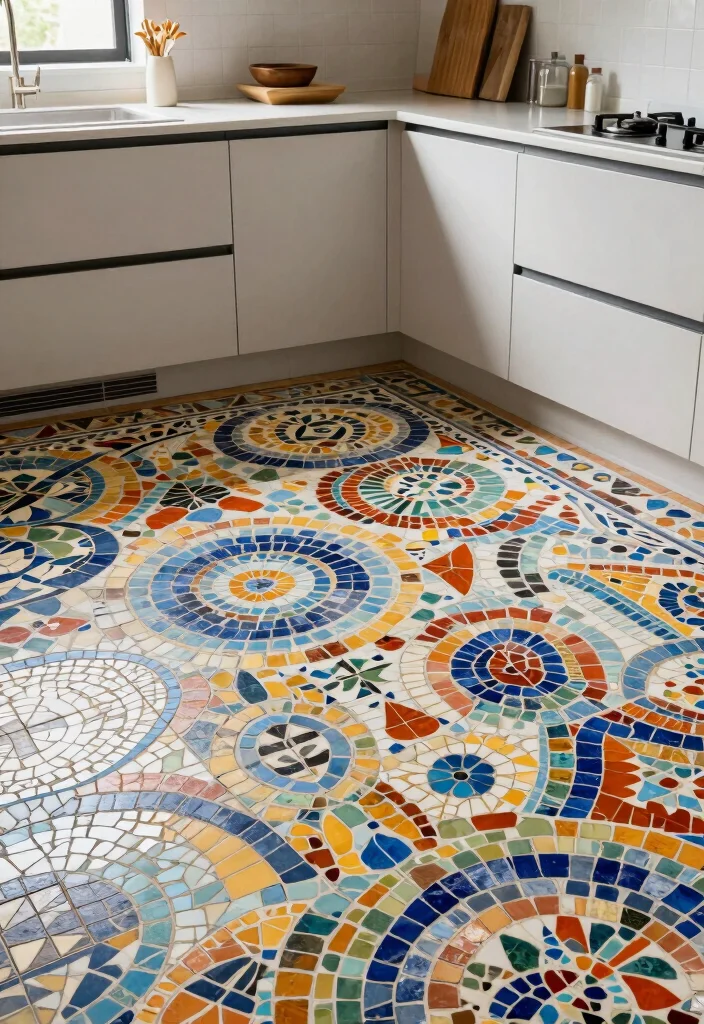
Mosaic tiles are perfect for showcasing creativity and individuality in your kitchen. These small tiles can be arranged in diverse patterns and colors, allowing you to design a unique flooring masterpiece. They work wonderfully in accent areas like kitchen islands or entryways, drawing attention and adding character.
Consider using mosaics in your backsplash to create a cohesive flow throughout the kitchen. Made from various materials such as ceramic and glass, mosaic tiles are both stylish and durable.
Here are some ideas for using mosaic tiles:
– Create intricate patterns for visual impact.
– Use mosaics as accents around fixtures.
– Combine different materials for a unique look.
This artistic option not only personalizes your kitchen but also enhances its overall design.
14. Vintage-Inspired Tiles
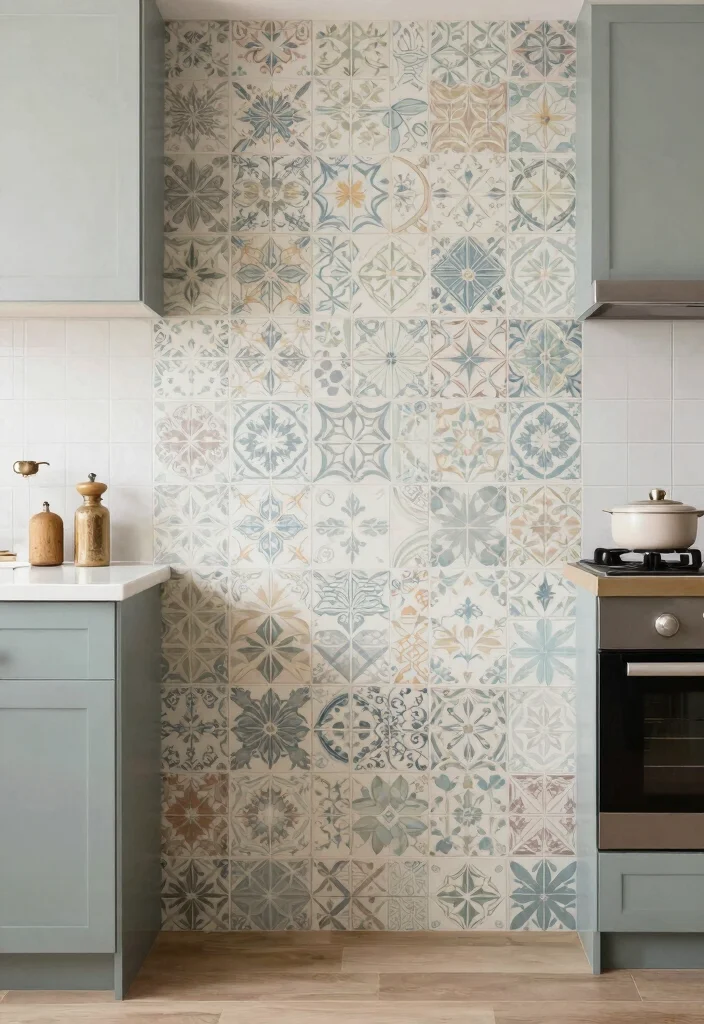
Vintage-inspired tiles evoke charm and nostalgia, adding character to modern kitchens. Featuring intricate designs and classic motifs, these tiles create a warm and welcoming environment. Pairing vintage tiles with contemporary elements offers a stunning contrast between the old and the new.
Keep in mind that vintage tiles may require special care, so understanding their maintenance needs is essential. This thoughtful combination brings a unique personality to your kitchen.
Consider these tips for incorporating vintage-inspired tiles:
– Use in focal areas like backsplashes for emphasis.
– Pair with modern fixtures to balance the look.
– Consider color palettes that reflect vintage charm.
This choice not only enriches your kitchen’s character but also creates a timeless aesthetic.
Fun fact: Vintage-inspired tiles can last 80+ years with minimal maintenance. This longevity cuts replacement waste by up to 60%, keeping your eco-friendly kitchen tile floor timeless.
15. Biophilic Design with Green Tiles
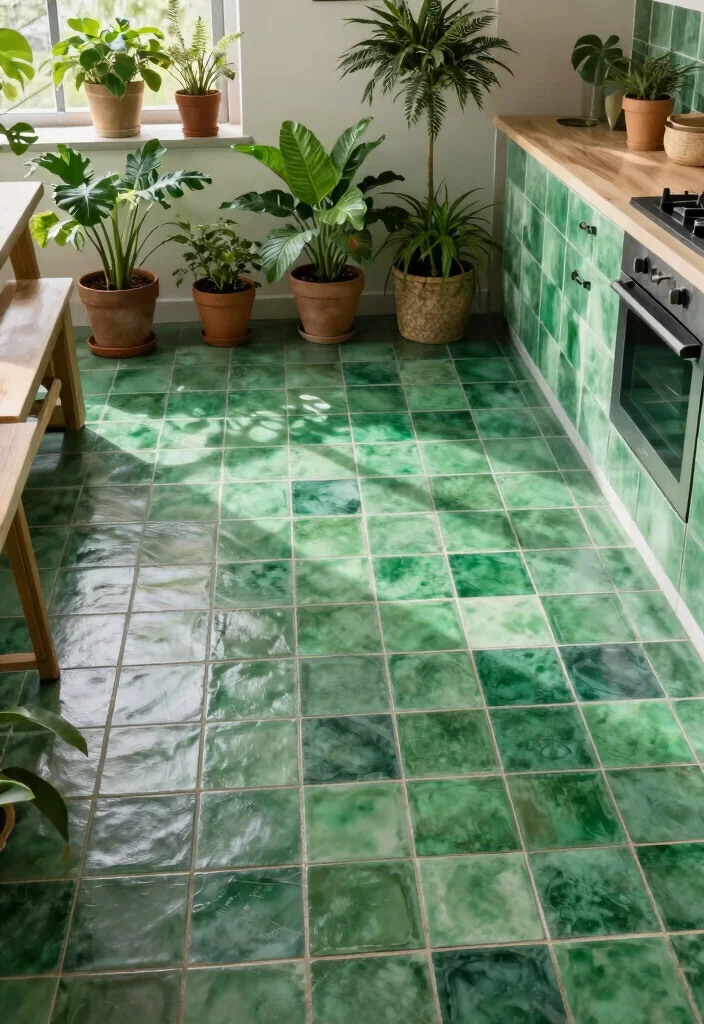
Biophilic design aims to connect indoor spaces with nature, and green tiles are an excellent way to achieve this in your kitchen. Shades of green evoke tranquility and create a calming atmosphere that mimics the outdoors. Using green tiles in various textures can enhance this natural vibe, bringing a refreshing touch to your cooking space.
Pairing green tiles with wooden or natural stone elements creates a harmonious look. Incorporating plants and greenery throughout the kitchen can further amplify this connection to nature, making it a welcoming space for cooking and gathering.
Here are some ideas for using green tiles:
– Combine different green shades for a layered effect.
– Use textured tiles to mimic natural landscapes.
– Incorporate live plants to enhance the biophilic theme.
This approach not only connects your kitchen to nature but also enhances its overall design.
16. Textured Concrete Tiles
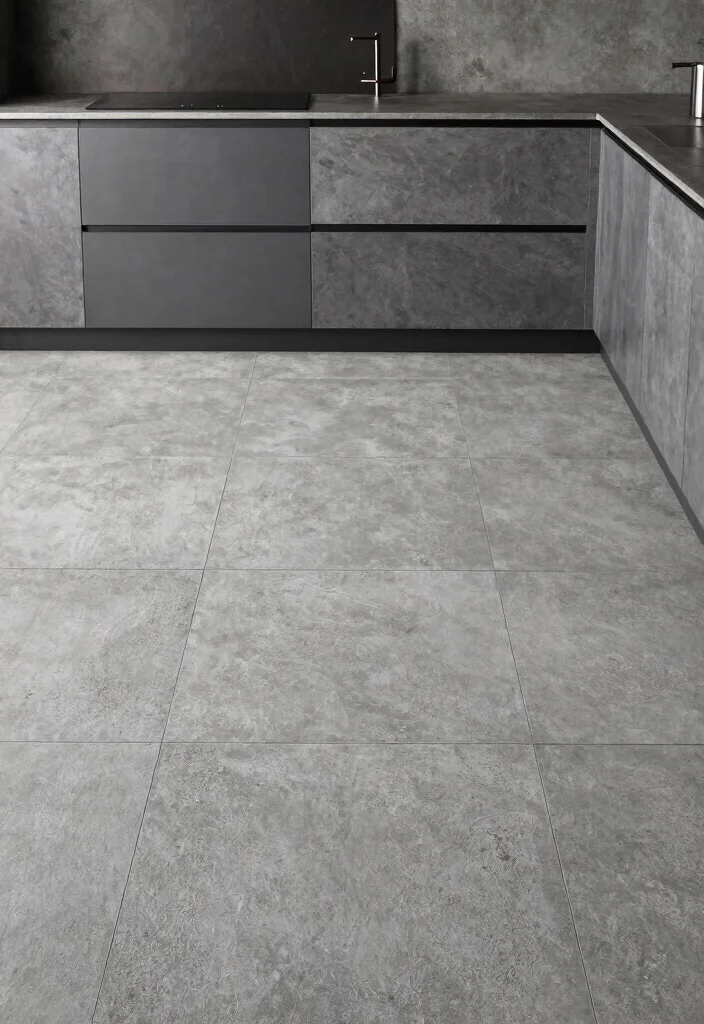
Textured concrete tiles are a bold choice for modern kitchens, offering durability with a contemporary edge. Designed to mimic natural materials, these tiles add depth and intrigue to your flooring. Their versatility makes them suitable for various decor styles, from industrial to modern farmhouse.
Keep in mind that concrete tiles can be cold underfoot, so consider adding rugs or heated flooring for added comfort. This modern approach elevates your kitchen’s style while providing practical benefits.
Consider these tips for using textured concrete tiles:
– Use in an open-concept layout for a cohesive look.
– Pair with warm accents to soften the industrial feel.
– Choose varying textures for visual interest.
This flooring option not only enhances your kitchen’s aesthetic but also offers practical durability.
17. Stone-Look Porcelain Tiles
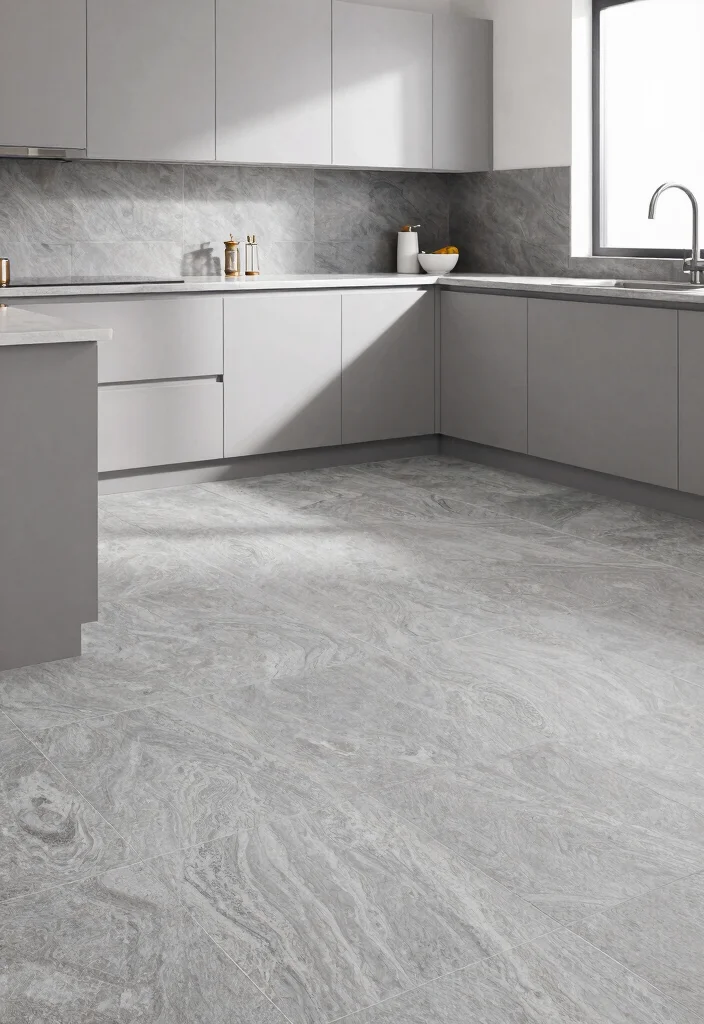
Stone-look porcelain tiles provide the beauty of natural stone with the practicality of porcelain, making them an excellent choice for kitchen flooring. Available in various finishes and colors, these tiles can replicate the look of marble, slate, or limestone without the high maintenance.
Resistant to scratches and stains, porcelain tiles can handle spills and heavy foot traffic with ease. They don’t require sealing like natural stone, simplifying upkeep while enhancing your kitchen’s style.
Consider these tips for using stone-look porcelain tiles:
– Use polished finishes for a sleek look.
– Pair with rustic elements for a charming contrast.
– Choose textured finishes for added grip.
This design choice not only elevates your kitchen’s appearance but also ensures long-lasting durability.
Fun Fact: Stone-look porcelain tiles mimic marble or slate at a fraction of the upkeep. A 12×24 inch porcelain tile resists scratches and spills, making your kitchen tile floor easier to maintain without sealing.
18. Uniform Tiling for a Seamless Look
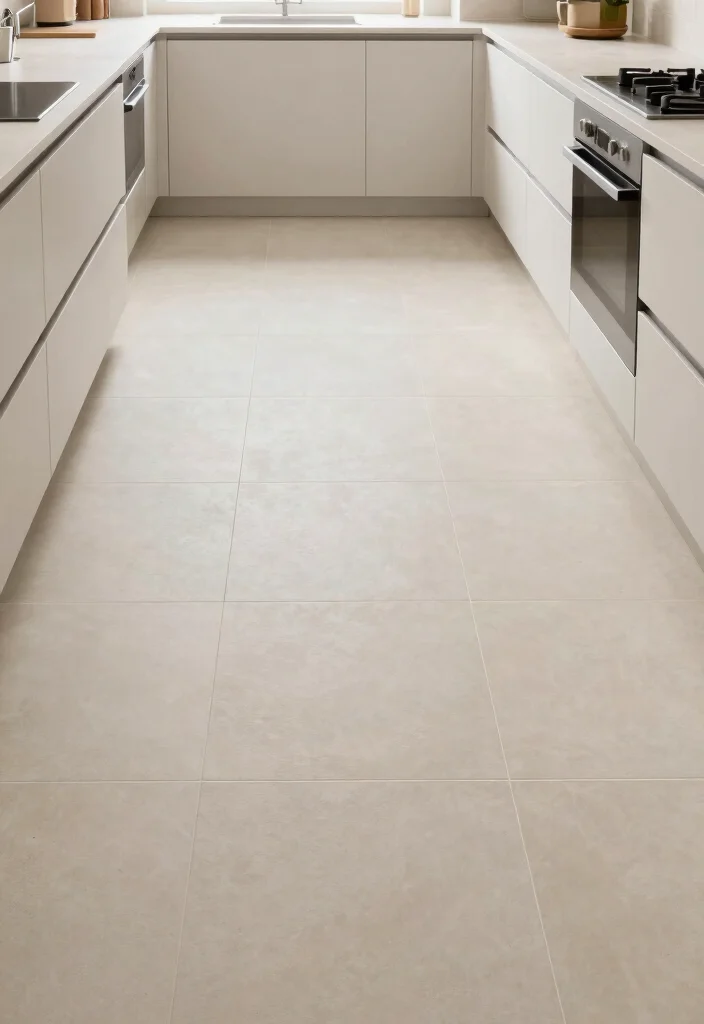
Uniform tiling creates a cohesive and seamless look throughout your kitchen. By using the same tile across the entire floor, you can make the space feel larger and more open. This design approach works particularly well in small kitchens, eliminating visual clutter for a streamlined effect.
Opt for light colors to enhance the spacious feel, or choose darker shades for a more intimate atmosphere. Matte finishes can soften the look, while glossy tiles reflect light, brightening the space. This trend is most effective with large-format tiles, emphasizing the seamless quality.
Here are some tips for achieving a uniform look:
– Choose the same tile for an expansive feel.
– Use light-colored tiles to create an airy environment.
– Incorporate minimalistic decor to complement the design.
This approach enhances your kitchen’s aesthetic, creating a clean and modern atmosphere.
Conclusion
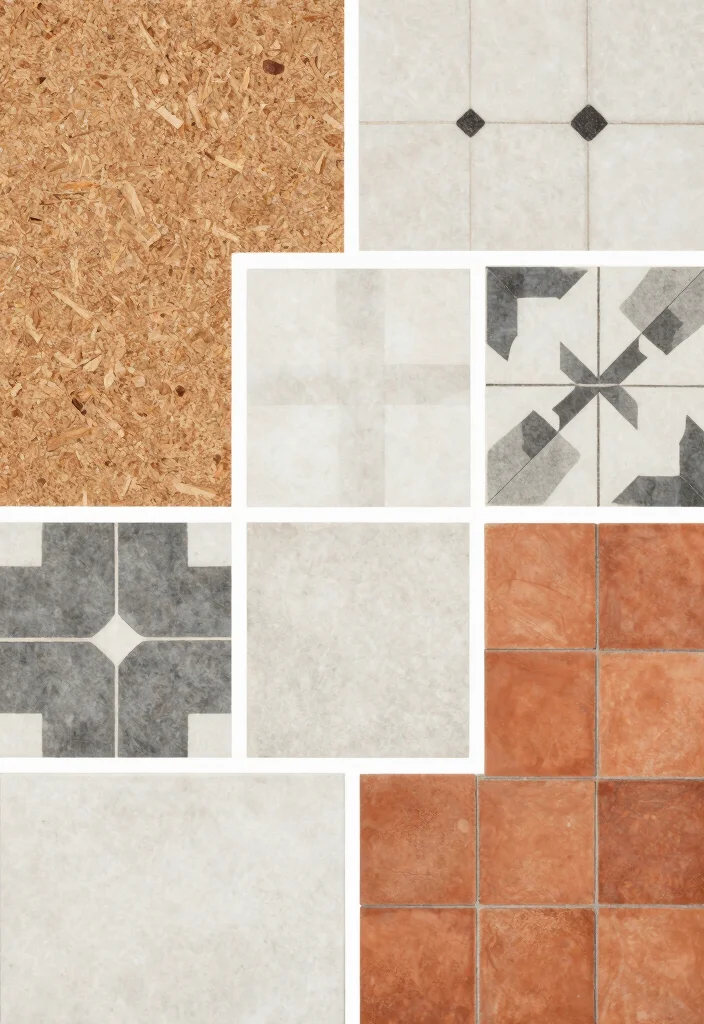
The evolving world of kitchen tile floors offers endless possibilities for creating a space that’s not only functional but also stylish and eco-friendly.
From sustainable materials to bold colors and intricate patterns, these 18 trending ideas for 2026 provide inspiration for every homeowner looking to elevate their kitchen. Consider your personal style, the overall functionality, and the vibe you want to create.
Embrace the trends that resonate with you and transform your kitchen into a haven of beauty and sustainability.
Note: We aim to provide accurate product links, but some may occasionally expire or become unavailable. If this happens, please search directly on Amazon for the product or a suitable alternative.
This post contains Amazon affiliate links, meaning we may earn a small commission if you purchase through our links, at no extra cost to you.
Frequently Asked Questions
What are the top kitchen tile floor trends for 2026 that prioritize eco-friendly materials?
For 2026, the top kitchen tile floor trends emphasize eco-friendly materials that don’t compromise durability. Look for porcelain or ceramic tiles with recycled content, low-VOC grouts, and finishes that mimic natural textures without sacrificing durability. Options like recycled glass mosaics or bamboo-look porcelain can elevate your space while staying kind to the planet.
Practical tips: choose eco-friendly options that create a durable kitchen floors foundation, and opt for large-format tiles to reduce grout lines. Check for sustainability certifications and select non-toxic sealants to protect your investment.
Color and pattern ideas pairing with eco-friendly trends include earthy neutrals, soft whites, and textures inspired by nature that coordinate with other kitchen flooring trends.
How can I incorporate modern tile designs into a functional, durable kitchen tile floor?
Start with a floor-grade tile like glazed porcelain or durable ceramic to ensure you have a durable kitchen floors that can handle spill-prone spaces. For a modern look, try large-format or rectangular tiles that create seamless lines; consider patterns like brick, herringbone, or subtle chevron. Matte or low-sheen finishes hide fingerprints and scratches while still looking chic. For maintenance, use epoxy grout or sealing on natural-look textures to keep cleaning easy and prevent staining. These choices reflect modern tile designs and keep your kitchen tile floor practical for daily use.
Actionable tip: ensure compatibility with your cabinet heights and countertops, and keep a few extra tiles on hand for future repairs.
What decorative tiles for kitchens work with eco-friendly kitchen tile floor ideas without sacrificing practicality?
Decorative tiles for kitchens can be used as bold accents without sacrificing practicality. Choose decorative tiles made from recycled materials or low-impact clays and place them as a backsplash, a border, or a patterned inset on your floor. Look for decorative tiles for kitchens with durable glazes and slip-resistant surfaces if used on floors. Pair with a simpler surrounding field tile to balance the look and keep cleaning easy. This approach blends style with sustainability and keeps your kitchen tile floor both beautiful and functional.
How do I choose durable kitchen floors that are easy to maintain with a kitchen tile floor?
Focus on tile types rated for floors, like porcelain or high-grade ceramic with a PEI rating suitable for heavy traffic. Glazed surfaces resist stains, while matte or textured finishes improve traction in wet areas. Choose non-toxic, stain-resistant grout and sealants; re-seal grout every 12-24 months depending on use. Regular cleaning with gentle cleaners preserves the finish and reduces wear, making your durable kitchen floors look great for years. Also consider radiant heat compatibility and slip resistance for safety.
What tile floor patterns work best in small kitchens to elevate the space?
For small kitchens, use light colors and larger-format tiles to visually expand the area. Popular tile floor patterns include diagonal layouts, checkerboard, and subtle herringbone that add movement without overwhelming the room. A single-color field tile with a narrow border or a toe-kick can create a polished look while keeping maintenance easy. Always dry-lay the pattern first to avoid costly mistakes, and consider a direction that follows the length of the room to maximize perceived space.
Related Topics
kitchen tile floor
eco-friendly flooring
modern tile designs
durable kitchen floors
decorative tiles
tile floor patterns
home decor trends
sustainable materials
2026 kitchen styles
easy installation
vintage tile
minimalist kitchen