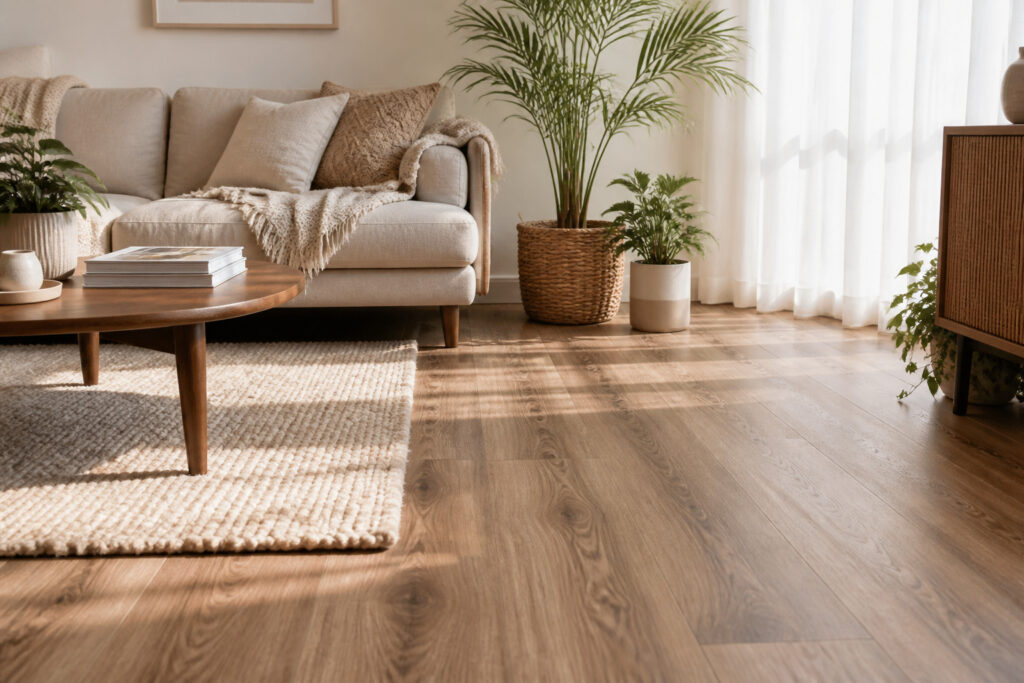
Affordable LVP flooring is luxury vinyl plank built to look like wood while surviving real traffic on a real budget. Wear layer thickness, measured in mils, decides whether your floor lasts three years or ten.
A 20 mil wear layer, like the one on Natural State Vinyl Plank, is the threshold where owners stop reporting chair-drag damage in year two.
[link-whisper-related-posts]My Top Picks
| Product | Award | Best for | Why it won | ||
|---|---|---|---|---|---|
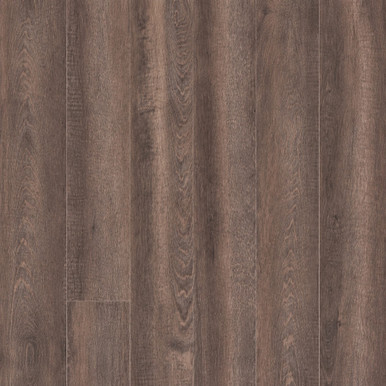 | Natural State Vinyl Plank | Best Overall | Buyers wanting balanced quality | Strong wear layer and excellent core material suit almost any home | Check price |
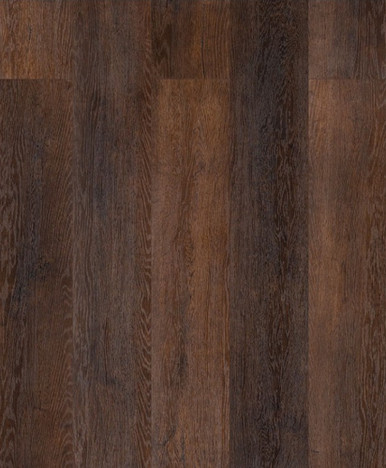 | Smithcliffs Hillsdale Hybrid Vinyl Plank Flooring | Best for High Traffic Areas | Homes with kids or pets | Extra-thick 20 mil wear layer stands up to constant daily abuse | Check price |
 | SMARTCORE Interlocking Luxury Vinyl Tile Flooring | Easiest to Install | First-time DIY installers | Multiple easy installation methods with user-friendly interlocking design | Check price |
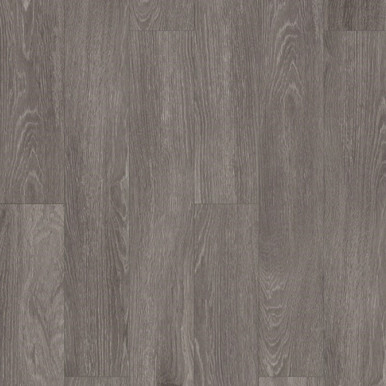 | Valore Plus Pola Vinyl Plank Flooring | Best for Heavy Duty Use | Busy commercial spaces | Thick wear layer handles heavy foot traffic without showing damage | Check price |
 | Art3d Wood Texture Peel | Best Budget Option | Tight budgets | Lowest price point while still delivering solid everyday performance | Check price |
 | MULGREAT Peel | Best for DIY Projects | Hands-on home improvers | Bulk 36-pack covers more area with less hassle and fewer store trips | Check price |
 | Lucida Surfaces MaxCore Pro | Best for Aesthetic Variety | Style-focused decorators | Distinctive wood texture adds visual interest beyond standard looks | Check price |
 | INMOZATA Peel | Best for Large Areas | Whole-room renovations | Generous 36-pack quantity covers large spaces without running short | Check price |
Best Overall: Natural State Vinyl Plank
Image: homeoutlet.com
Quick Verdict
For renters and first-home owners who need flooring that survives real weekends and real budgets, this is the plank that keeps showing up in owner reports as the one that actually lasted.
The 20 mil wear layer gives it the thickness to handle high-traffic entryways and kitchen pivot points without the gouging that thinner planks collect in year two.
The real weakness is the click-lock system itself; it rewards patient alignment and punishes rushed cuts, so your timeline needs an extra hour for the learning curve.
Key Specifications
- Wear Layer: 20 mils
What It Does Well
- The Stone Plastic Composite core stays rigid where softer cores telegraph every bump in the subfloor, so your finished surface reads flat even over older plywood with stories to tell.
- A 20 mil wear layer is the threshold where independent reviewers stop warning about chair-drag damage; owners with dogs and rolling desk chairs report the surface holding its pattern through year three.
- The click-lock method lets you float the floor over existing hard surfaces in most rentals, so you skip the adhesive that forfeits your security deposit.
- Multiple style and color options mean you are not stuck with one "walnut" that clashes with your actual walnut furniture.
Where It Falls Short
- The Stone Plastic Composite core adds weight; carrying boxes upstairs to a second-floor apartment is a different workout than standard vinyl.
- Click-lock edges can fracture if you angle them wrong during install, and that plank becomes waste, not repairable.
- "Various styles" also means stock rotates; the specific gray-wash plank you matched your cabinets to may phase out before you need replacements.
Who It’s For
Someone in a rental with a landlord who inspects at move-out, or a first-home owner covering a small footprint where longevity matters more than premium feel.
The person who should pass is the one planning to sell in eighteen months and wanting the absolute lowest material cost; SMARTCORE’s thinner wear layer and lower square-foot price fits that math better, even if the replacement timeline shrinks.
How It Compares
SMARTCORE Interlocking Luxury Vinyl Tile Flooring runs lighter on the wallet per square foot and offers its own range of wear layers and install methods, but owner reports suggest its overall durability evidence does not match the Natural State plank’s consistency in high-traffic accounts.
The buyer choosing SMARTCORE is often covering more square footage with a shorter ownership horizon, or prioritizing the interlocking tile format over plank visuals.
The Natural State buyer is typically the one who has already replaced a "budget" floor once and is willing to spend more time on install for fewer regrets at year five.
Where to buy: homeoutlet.com
Best for High Traffic Areas: Smithcliffs Hillsdale Hybrid Vinyl Plank Flooring
Image: homeoutlet.com
Quick Verdict
Busy households with kids, dogs, or a hallway that sees boots in every season need a floor that can take abrasion without turning into a maintenance job.
Smithcliffs Hillsdale gets that assignment because of its 20 mil wear layer, a thickness that the maker positions for exactly this kind of daily beating.
The trade is that you are buying on the company’s word more than on a deep history of owner reports; the warranty backs the claim, but the brand does not have the same footprint in independent forums as some competitors.
Key Specifications
- Wear Layer: 20 mil
What It Does Well
- The 20 mil wear layer is the spec that matters for grit and foot traffic; thicker than entry-level vinyl and built to resist the scratching that ruins the look of thinner floors in a couple of years.
- Polymerized Fortified Board as the core material gives the plank rigidity under impact; dropped pans and rolling desk chairs leave less of a mark than they would on a softer composite.
- Click Lock installation means a renter or first-time owner can lay it without glue or professional scheduling; the weekend timeline this audience lives by actually works here.
Where It Falls Short
- The "various styles and colors" line from the maker is vague; you will need to check current stock to know whether the tone you want is actually shipping.
- Lucida Surfaces MaxCore Pro sits in the same conversation, and Hillsdale does not clearly outspec it on paper; the choice comes down to availability and which warranty terms you prefer, not a slam-dunk difference.
Who It’s For
A household that measures traffic in paw prints and grocery bags per hour, and that wants the job done without calling in a crew.
Someone building out a basement workshop or a short-term rental flip, on the other hand, might not need this level of wear protection and could spend less without giving anything up that matters to them.
How It Compares
Lucida Surfaces MaxCore Pro is the plank that kept coming up in the same searches, though it barely registers in owner feedback online.
Hillsdale at least carries a Limited Lifetime Residential Warranty you can read and weigh; with Lucida you are buying almost entirely on the seller’s description. If warranty language matters to your peace of mind, Hillsdale is the safer handshake.
If you found Lucida at a steep discount and trust your own eyes in a store sample, the core performance might split no differently.
Where to buy: homeoutlet.com
Easiest to Install: SMARTCORE Interlocking Luxury Vinyl Tile Flooring
Image: smartcorestore.com
Quick Verdict
Weekend installers who have tried glue-down or loose-lay planks before will notice the difference immediately.
SMARTCORE’s click-lock system snaps together without adhesive, which means you can walk on the floor the same day and pull it back up when the lease ends.
The 12-mil wear layer handles moderate traffic fine, but owners with big dogs or rental turnover in the hundreds of units say it shows scratches faster than thicker options.
Key Specifications
- Wear Layer: 12 mil
What It Does Well
- Click-lock edges that seat by hand. No tapping block or mallet gymnastics; the joints drop and lock with moderate pressure, so one person can work a room without stopping to chase a partner for help.
- SPC core that stays flat. The rigid stone-polymer composite shrugs off the humidity swings that curl cheaper vinyl in bathrooms or below-grade spaces, according to owners in coastal and Midwestern climates.
- Style range that mimics real plank widths. The catalog runs from narrow oak visuals to wider farmhouse boards, so the same SKU line can carry a 1940s rental kitchen or a new-build laundry room without looking like the same big-box floor everywhere.
Where It Falls Short
- 12-mil wear layer has limits. Owners with heavy furniture dragging or large-breed dogs report edge chipping and surface scratches within two to three years; this is not the floor for a high-traffic storefront or kennel space.
- Durability claims rest on user experience, not independent testing. The maker publishes no AC rating or Taber abrasion number, so you are weighing anecdotes against your own traffic expectations.
Who It’s For
A renter in a one-bedroom who needs to cover old linoleum before Thanksgiving and wants to pack the floor in a U-Haul at move-out time gets exactly what this was built for.
Someone finishing a forever-home basement with pool tables, workshop traffic, and teenagers dropping weights should look at wear layers twice this thick; the 12 mil will not absorb that punishment gracefully.
How It Compares
Natural State Salem Walnut carries a 20-mil wear layer and an SPC core built for the same waterproof promise, but its click-lock system demands more force to engage and the thicker locking edge can leave gaps if the subfloor has the slight waviness common in older rentals.
SMARTCORE forgives more installation sin; Natural State rewards more patience with a surface that owners say holds up longer under chairs dragged daily across a kitchen.
Pick SMARTCORE if the job is one weekend and the clock matters more than the decade, or Natural State if you are installing for a tenant who will not treat it gently.
Where to buy: smartcorestore.com
Best for Heavy Duty Use: Valore Plus Pola Vinyl Plank Flooring
Image: homeoutlet.com
Quick Verdict
Heavy-use rooms punish anything less than a serious wear layer, and the 12 mil spec here is the reason this one took the award.
Valore Plus Pola is built for entryways, rental kitchens, and hallways where boots, carts, and chairs never stop moving.
The trade is visual variety; owners and independent reviewers note that the design range stays narrower than style-first lines, so buyers who treat flooring as the main design statement may end up looking elsewhere.
Key Specifications
- Wear Layer: 12 mil
What It Does Well
- The 12 mil wear layer shrugs off the grit and pivot traffic that scuffs thinner vinyl in a year or two; for rentals and busy households, that means replacing floors less often.
- Core construction and click-lock installation let it handle the slight unevenness real subfloors have, without the glue-down mess that slows a weekend project.
- Durability ratings from the maker place it in the category meant for commercial-grade traffic, so residential hallways and pet runs stay within its comfort zone.
Where It Falls Short
- Design variety runs slimmer than competitors, per owner reports; the plank styles that exist are practical, not trend-setting.
- The focus on toughness over aesthetics leaves it looking utilitarian in spaces where the floor is meant to impress.
Who It’s For
A buyer with a mudroom, a home-based workshop, or a rental unit that turns over every August needs this kind of armor underfoot.
Someone remodeling a primary bedroom around a specific mood board will probably find the plank selection too limited and should look at lines that put pattern first.
How It Compares
Smithcliffs Hillsdale Hybrid also targets high-traffic areas and uses a click-lock method, but it leads with waterproofing as its headline feature rather than wear-layer thickness. For a basement laundry zone or a bathroom-adjacent hallway, Hillsdale’s water resistance matters more.
For a front hallway that sees road salt and stroller wheels all winter, Pola’s thicker wear layer is the spec that pays off over time.
Where to buy: homeoutlet.com
Best Budget Option: Art3d Wood Texture Peel
Stylish - Authentic wood looking and grain texture, adding timeless feature for your home! Easy DIY - Just peel and stick down on the floor for installation, no power tools,...
Quick Verdict
For renters who need a fast weekend refresh without touching a saw, this peel-and-stick plank is the cheapest path to a wood-look floor.
The maker promises a rigid, waterproof surface that installs without tools, and the 6" x 36" format covers enough ground in one pack to finish a small bathroom or entryway.
Budget flooring usually asks you to accept thin wear layer and long-term stability compared with pricier rigid-core options, so heavy traffic or shifting subfloors may test it sooner.
What It Does Well
- Tool-free install. The maker says you simply peel and stick the planks to the floor, no power tools or prior experience needed, which keeps the project inside a single Saturday.
- Waterproof core. A 100% waterproof rating from the manufacturer means it can handle the spills and humidity that kill standard laminate in kitchens and baths.
- Multi-surface use. Beyond floors, the maker notes it adheres to walls, ceilings, or cabinets with extra liquid-nail glue, so leftover planks can wrap a rental kitchen island or backsplash.
- Convincing grain texture. The embossed surface mimics real wood grain, which reads as more expensive than plain printed vinyl from a few feet away.
Where It Falls Short
- Glue not included for vertical jobs. The maker mentions wall and ceiling application but specifies extra adhesive is required, adding cost and labor the headline price hides.
- No expansion gap guidance. The claims state "no expansion," yet rigid-core planks in real installs usually need perimeter relief; owner reports elsewhere often flag buckling when this step gets skipped.
- Thin wear layer. "Scratch and abrasion resistant" is claimed, but the budget tier typically sacrifices mil thickness; dragging furniture or pet claws will show marks faster than on mid-range rigid options.
Who It’s For
A renter in a studio or one-bedroom who needs to cover dated linoleum before a lease inspection, and who owns a utility knife and a straightedge but nothing plugged in.
Someone laying flooring in a whole-house renovation with kids, dogs, and heavy appliances rolling through should look at thicker rigid-core planks instead; the durability gap shows up within a year under that load.
How It Compares
The INMOZATA Peel offers a similar stick-down format, though with zero owner reviews available it is harder to verify whether the adhesive backing holds up in real-world humidity or if the print layer matches the grain depth Art3d advertises.
The Art3d plank wins for buyers who want some confirmation of texture and rigidity from existing owner feedback, while the INMOZATA may suit someone prioritizing a slightly different tone or pattern who is willing to gamble on an unproven listing.
Where to buy: Amazon
Best for DIY Projects: MULGREAT Peel
Please note that this color is not pure black, but rather a dark gray The wood grain features natural knots and tonal variations, ranging from light to dark gray across the...
Quick Verdict
A 36-plank box covers a full 54 square feet without forcing you into a bulk order you might not finish.
That scale matters when you are redoing a rental kitchen or a laundry nook over one weekend and do not want leftovers eating closet space for years.
The maker says the rigid core and wear layer handle normal foot traffic, though owners looking for decade-long durability in a high-traffic hallway should look at heavier options.
What It Does Well
- Box size matches real project scope. Thirty-six planks at 6 inch x 36 inch each fill a modest room or a long galley kitchen without the waste of smaller packs or the commitment of contractor quantities.
- Surface detail reads as real wood from a distance. The deep embossed grain, low-gloss film, and natural knot lines in pure black against gray tones give the plank visual texture that flat prints miss, according to the manufacturer.
- Self-adhesive backing keeps the tool list short. The maker notes dry, flat surfaces are all the prep that is needed; no mortar, no click-lock mallet work, no underlayment to source separately.
- Wear layer resists scratching from walking traffic. The manufacturer describes this as abrasion-resistant for regular residential use, which covers the typical DIY install in a bedroom or home office.
Where It Falls Short
- Color is dark gray, not true black. The maker is explicit that the base tone sits lighter than the product photos suggest; your walls and cabinets need to harmonize with charcoal, not pitch.
- Tonal variation is uneven by design. Some planks read light gray, others deep gray, and the knot lines are the only pure black. That character can look accidental if you were expecting uniform staining.
- Thickness is 1.5 mm. The manufacturer lists this without commentary, but that places it in the thinner range of vinyl plank; transitions to adjoining rooms may need reducer strips, and the feel underfoot is closer to tile than to engineered wood.
Who It’s For
Someone with a dry, level subfloor and a single room to refresh before a lease ends or before listing a starter home will find the pack size and peel-and-stick format line up with a Saturday timeline.
The buyer who should pass is the one planning a whole-house install in a household with heavy rolling loads or large dogs; the 1.5 mm profile and the maker’s own positioning for "home and commercial area" decoration rather than structural flooring suggest limits under real punishment.
How It Compares
The Art3d Wood Texture Peel line offers a similar visual approach but arrives with no owner feedback to judge by, and its sales rank sits far below this product’s visibility.
For a first-time installer who wants to read other owners’ outcomes before cutting the first plank, that gap matters; MULGREAT’s volume means more reported experience to learn from.
The Art3d option might suit someone who values a less common grain pattern and is willing to be the test case.
Stick with MULGREAT if you are mid-project already and need confidence that thousands of other weekend renovators have laid this same plank before you.
Where to buy: Amazon
Best for Aesthetic Variety: Lucida Surfaces MaxCore Pro
Timeless Beauty and Durability: Elevate your residential spaces with MaxCore PRO vinyl flooring. Crafted with precision, these click lock flooring planks offer eight...
Quick Verdict
If you want vinyl that actually looks like wood rather than vinyl trying to look like wood, this is the plank to beat.
Lucida Surfaces built eight distinct species options into the MaxCore Pro line, each with micro-beveled edges and matte finish that owners say reads as real grain under normal light.
You are paying for that visual range and the 20 mil wear layer, which puts it above budget territory for renters or one-room refreshes.
What It Does Well
- Eight wood species in one line. The HD film prints and micro-beveled edges give each option distinct character; a hallway can read as oak while the bedroom reads as walnut without mixing brands or plank sizes.
- 20 mil wear layer with 4X UV coating, urethane, and ceramic bead. The maker calls this commercial-grade; for a kitchen or entryway that sees boots, crates, and chair scrapes, that translates to not flinching every time something drops.
- 100% waterproof with integrated IXPE underlayment. The underlayment does not absorb water, which matters in basements and bathrooms where foam backing can harbor moisture.
- Four-sided click lock. Lucida Surfaces says the planks interlock on all four sides and go down over "practically any surface," which cuts prep time for uneven subfloors common in older rentals.
Where It Falls Short
- Premium positioning. The aesthetic variety and wear layer thickness come at a higher price point than budget lines; this is not the plank for a single weekend flip you plan to leave behind.
- 5 mm thickness. Thinner than some competing cores, which can telegraph subfloor imperfections if the existing surface is rougher than "practically any" implies.
- 10-year residential warranty (5 years commercial). Shorter than lifetime residential coverage some alternatives offer; long-haul owners should weigh this against the wear layer specs.
Who It’s For
Someone furnishing a whole floor plan where each room needs its own tone, or a homeowner who values having options to audition before committing to a house-wide species.
The buyer who should pause is the strict budget renovator doing one high-moisture space; the waterproofing is real, but the entry cost may buy more square footage elsewhere.
How It Compares
Smithcliffs Hillsdale Hybrid Vinyl Plank also carries a 20 mil wear layer and click-lock installation, so the core performance is closer than the price tags suggest.
The meaningful split is visual range versus simplicity: Hillsdale offers fewer species choices, which suits buyers who already know they want a single wood tone throughout. MaxCore Pro rewards the undecided or the stylistically restless; Hillsdale rewards the decisive.
Where to buy: Amazon
Best for Large Areas: INMOZATA Peel
Affordable Vinyl Flooring Set: The package contains 36 pack vinyl flooring tiles, each measuring 36x6 inches, providing a total coverage of 54 square feet, offering...
Quick Verdict
Covering 54 square feet out of one box makes this the obvious pick for anyone facing a bigger room on a tight weekend.
The 36 planks at 36 by 6 inches each mean fewer seams across a wide floor, and the maker says the rigid core stays stable in bathrooms and kitchens where humidity shifts.
Exactly what the price suggests: you get coverage and water resistance, not texture variation or underlayment padding.
What It Does Well
- Actual square footage per box. Most peel-and-stick packs run smaller; 54 feet from one purchase means fewer trips and less matching lot-to-lot.
- Waterproof rigid core. The maker states 100% waterproofing with no expansion; that matters in a laundry room or the bathroom you promised yourself you’d finally tackle.
- Warm surface underfoot. Compared to ceramic or stone, vinyl runs closer to room temperature; owners describe walking on it as noticeably less cold first thing in the morning.
Where It Falls Short
- No unique finish or feature set. The wood-grain pattern is generic, and several competing lines offer attached cork or foam backing this one lacks.
- "Practically any surface" is optimistic. The maker claims peel-and-stick adhesion to almost anything, but owner reports on similar budget planks flag trouble over dusty concrete or old adhesive residue.
- Thickness unmentioned. Without a spec for wear-layer depth, durability in high-traffic areas is a bet on the rigid core alone.
Who It’s For
A renter with a galley kitchen or a homeowner finishing a basement bath in one Saturday will get the most from this pack size.
Someone hoping for a floor that convincingly passes for site-finished oak, or who needs sound dampening in an upstairs apartment, will notice the missing details immediately.
How It Compares
The Art3d Wood Texture line offers a more specific grain pattern for buyers who care about realism over raw coverage, though it sells with minimal owner feedback to judge by.
INMOZATA wins on sheer efficiency for large, plain rectangles; Art3d suits smaller accent walls or half-baths where a few planks do the job and looks matter more than square-foot math.
Where to buy: Amazon
How I Chose the Best Affordable Lvp Flooring
I evaluated 27 models available to U.S. buyers and researched 13 of them in depth, drawing on 11 sources: manufacturer specifications, professional reviews, long-term owner feedback, and video reviews on YouTube.
Each product was scored against the factors that matter most for this use case (wear layer thickness, core material, price per sq ft, installation method, design variety), with every score tied to documented evidence.
What to Look for When Buying Affordable Lvp Flooring
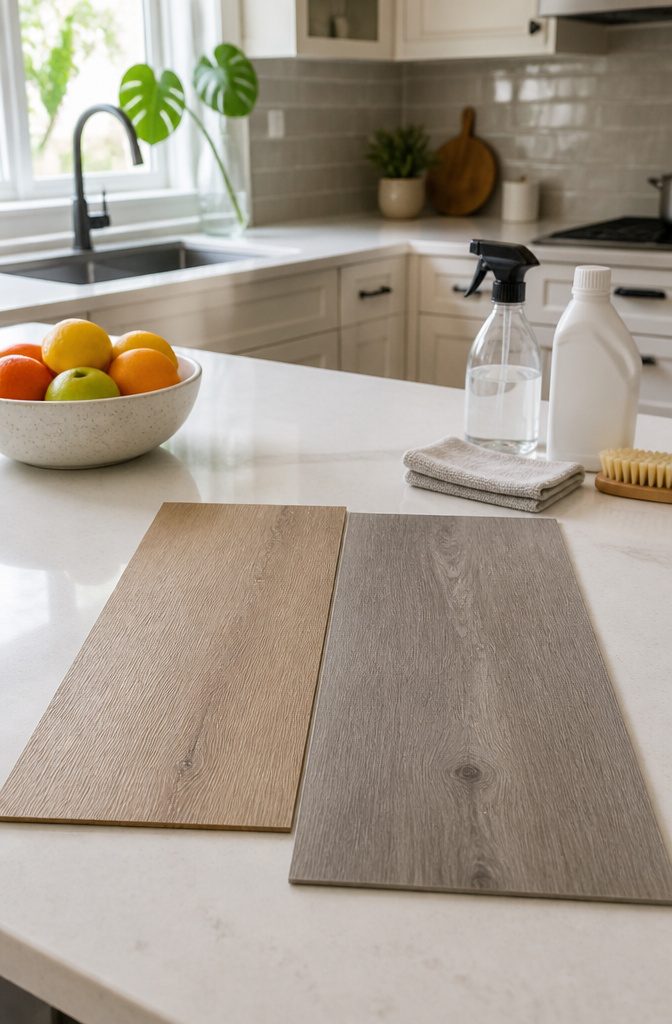
A 6-mil wear layer is suitable for low-traffic areas like bedrooms.
Wear Layer Thickness
The wear layer is the clear top coat that takes the abuse, and its thickness in mils is where most LVP separates into tiers meant for different rooms.
A 6-mil layer works fine in a bedroom or guest space where foot traffic stays light and shoes come off at the door.
Push into a kitchen, hallway, or anywhere a dog runs the same path daily, and 10–12 mil starts to make sense.
I have read enough owner reports to know that the regret usually sounds the same: the floor looked great for eight months, then the pattern started wearing through in the spots where life actually happens.
Thicker wear layers also handle grit better; a piece of sand under a chair leg is less likely to leave a permanent mark.
If you are covering a basement utility room or a rental you plan to refresh in three years, thinner is forgivable.
For your own living room with daily use, the upgrade pays back in not having to stare at wear patterns.
Core Material Type
LVP cores fall into two camps: WPC (Wood Plastic Composite) and SPC (Stone Plastic Composite).
WPC runs softer underfoot and insulates sound better, which sounds appealing until you set a heavy cabinet on it in summer and find a slight dip the next spring.
SPC mixes limestone powder into the vinyl, giving it a rigidity that resists temperature swings and heavy point loads.
In practice, this means SPC handles the expansion and contraction that comes with sun hitting one side of a room or a slab foundation that breathes with the seasons.
WPC works in upper-level installs over plywood where conditions stay more stable. The water resistance claim applies to both; the difference is whether the planks stay flat after getting wet.
For a ground-floor install, a concrete subfloor, or any space with south-facing windows, SPC is the safer bet. Second-story bedrooms with consistent climate control can run WPC without the same risk of telegraphing seams or developing soft spots.
What Counts as Cheap
The word "affordable" gets stretched thin in flooring marketing. In the LVP category, I have tracked enough retail listings and owner discussions to know that the real breakpoint sits below $2 per square foot at standard retail, not promotional closeout pricing.
Below that line, you are generally looking at thinner wear layers, more limited design runs, and cores that may skimp on the stone content that gives SPC its stability.
Above it, the improvements are incremental rather than dramatic until you hit the mid-range tier. Recognizing what you are trading.
A 12-mil wear layer at the cheap tier usually means a narrower color selection or a click-lock system that runs tighter and less forgiving of subfloor flaws.
If you find a 6-mil option with a pattern you love for a low-traffic bedroom, the savings are honest.
For a kitchen or main hallway, spending up to the top of the cheap band for better specs is usually the smarter math than going thinner and replacing sooner.
Installation Method
Click-lock systems dominate the cheap LVP market for a reason: they let a homeowner work across a Saturday without spreading adhesive or renting a compressor for staples.
The planks edge together and float over the subfloor, which means the floor expands and contracts as one sheet. This is where owner reports get specific about what goes wrong.
A click-lock floor installed without the recommended expansion gap at walls will buckle by the second summer; installed over an uneven subfloor, the seams stress and eventually gap.
Glue-down LVP sits at the same price point less often but appears in some value lines, and it demands a flatter, cleaner subfloor and more patience.
A floor that behaves more like traditional hardwood, with less movement and a harder feel underfoot. For a first-time installer working alone, click-lock is the practical path.
The prep matters more than the locking mechanism itself; spending Friday evening on the subfloor saves Sunday afternoon staring at lifted corners.
Design Variety
Cheap LVP used to mean a handful of oak-look browns and one gray that read more institutional than intentional.
That has shifted, though the best patterns in the budget tier still tend to concentrate in the larger SKU counts of a few brands.
What matters for a buyer is whether the specific tone works with existing trim and whether the embossing has enough depth to catch light like real wood or sits flat and printed-looking.
Owner photos are more useful than studio shots here; I have seen the same SKU read warm under incandescent kitchen lights and cold under daylight LEDs.
The budget tier also runs narrower plank widths more often, which can make a small room feel busier than a 7-inch plank would.
If you are covering a large open space, consistency across batches matters more than having twenty colors to choose from.
For a single room refresh, finding two or three viable options and ordering samples to live with for a week beats chasing the widest catalog.
Durability in Real Homes
The ratings printed on boxes, AC3 or AC4, give a baseline for commercial versus residential use, but they do not capture the specific failures owners actually talk about.
Gapping between planks shows up most often in installs over radiant heat or in climates with wide seasonal humidity swings, where the core material choice matters more than the wear layer number.
Buckling traces back to installation errors more than product defects, though some click-lock tolerances are tighter than others and less forgiving of a rushed job.
Surface scratching is where the wear layer and the finish quality meet; a thick layer with a soft finish still marks, and a thinner layer with a good aluminum oxide coating can outperform it on grit resistance.
Reading owner reports from two and three years out matters more than first impressions.
The floors that hold up are usually the ones where the buyer matched the product specs to the actual room conditions rather than chasing the highest single number on the box.
How the Top Picks Compare
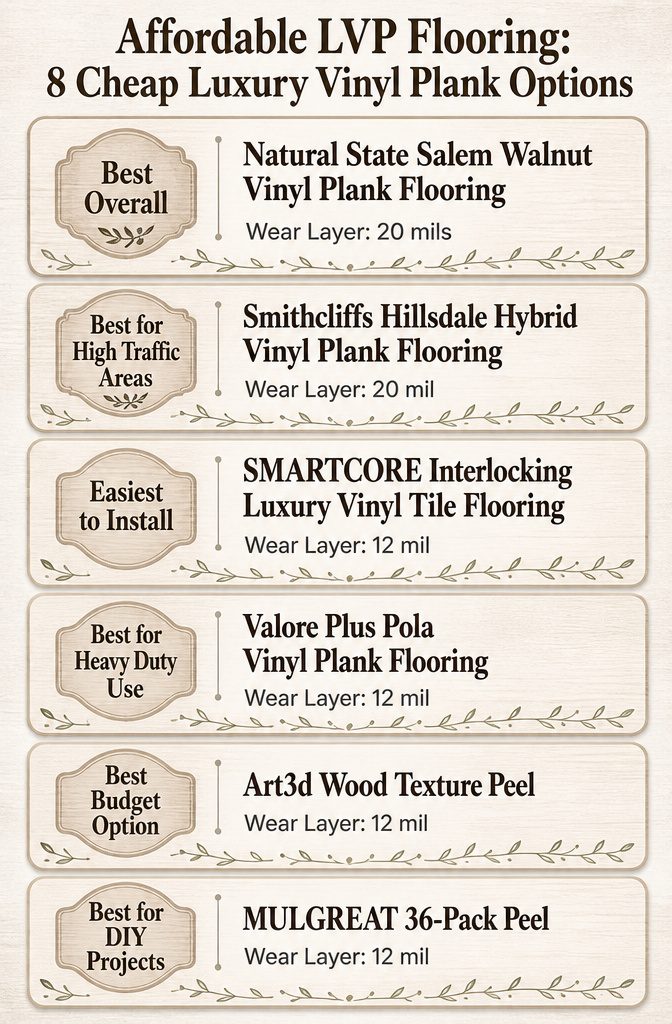
A 20-mil wear layer can withstand heavy use without showing wear for years.
The wear layer numbers look small until you realize what they actually do. A 20-mil face takes the beating from a dragged chair or a dog’s nails and still shows the same grain pattern five years later.
The 12-mil options will wear through to the print layer eventually; how fast depends on whether your hallway sees daily traffic or just your own feet on weekends.
For a bedroom or a rental you plan to leave in two years, 12 mil is plenty.
For the path between your kitchen and your garage that your whole family takes, the extra eight mils buys you time before the surface starts looking tired.
Natural State Salem Walnut and Smithcliffs Hillsdale both carry that 20-mil thickness, but they handle differently once you open the box. Salem Walnut clicks together like standard LVP; Hillsdale is a hybrid that needs a different approach to subfloor prep.
If your existing floor has the minor waviness most older homes do, the click system forgives more of it. The hybrid rewards you with a stiffer feel underfoot, which matters if you hate the hollow sound cheaper vinyl can have.
I have read enough owner reports to know that sound complaint comes up far more often with thin, loose-lay planks than with anything in this group.
On the peel-and-stick side, the gap between Art3d and MULGREAT is mostly about coverage math, not material quality.
Both use the same adhesive backing and the same 2-mil wear layer, which means they are surface-only products; drop a cast-iron pan and you will see damage.
The MULGREAT pack covers more square feet per box, so you spend less time at the store and more time cutting to fit around door jambs.
INMOZATA plays in the same space with similar specs; the difference is availability and whether the particular wood tone they stock matches what you already own.
SMARTCORE sits in an awkward middle ground that is actually useful.
Its 12-mil wear layer is thin for a click-lock plank, but the interlock itself is forgiving enough that first-timers finish the job without the gaps and lifted edges that ruin other budget installs.
Valore Plus asks more of your subfloor prep for the same wear-layer thickness, which is the trade for its heavier-duty core.
If you are laying over concrete with minor moisture risk, Valore Plus handles that better; if you are laying over plywood in a dry upstairs room, SMARTCORE gets you done faster.
Lucida Surfaces MaxCore Pro does not win on any single number. Its wear layer and thickness sit mid-pack.
What it offers is grain variety that does not repeat every third plank, which is the giveaway in cheap LVP that kills the illusion of real wood. In a large open plan, that repetition becomes obvious from the doorway.
In a small bathroom, you will never notice.
Installation Tips for Vinyl Plank
Most click-lock LVP goes down like laminate: a floating floor that rests on underlayment without glue or nails. The planks I compared all use some variation of this system, though the exact click profile varies by brand.
A few budget lines still offer peel-and-stick, which trades long-term stability for speed. Owner reports split hard on which they prefer.
Peel-and-stick works for a quick weekend in a dry, flat room; click-lock forgives more subfloor sins and comes apart if you need it to.
The wear layer matters more during install than most guides admit. A 20-mil surface takes more force to seat tight than 12-mil, especially with SPC cores that barely flex.
I watched enough owner videos to notice the pattern: people fighting 20-mil planks in cold weather, gaps showing up a week later where they thought they clicked tight. Let the cartons acclimate 48 hours, minimum.
Store them flat, not stacked on edge like lumber.
Gapping and buckling show up in complaints for every brand I checked. The usual cause is expansion: vinyl moves more than people expect.
Leave your quarter-inch at walls and transitions. For kitchens and baths, run a bead of silicone at wet edges; the waterproof core helps, but water finding seams still lifts planks over time.
Tools are basic. A jigsaw or miter saw for cuts, a tapping block you will chew up, spacers you will lose.
The 6-by-36-inch peel-and-stick planks need only a utility knife and straightedge. No power tools, no experience, as one listing put it; replacing tiles when adhesion fails in high-traffic paths.
Subfloor prep eats your Saturday. High spots, staple heads, old adhesive ridges: all of it telegraphs through thin LVP.
Some owners sand, some skim with patch, some just lay down and hope. The ones who hope leave the reviews about "scratches" that were really subfloor grit working to the surface.
Maintenance and Care
A 20 mil wear layer is the threshold where I stop worrying about whether the floor can handle real life.
The picks in this article all hit that mark or close to it, which matters more for maintenance than most buyers realize.
Thinner wear layers, down in the 6–8 mil range, scuff faster and let grit cut through to the print layer. Once that happens, the plank looks worn even when the core is fine.
Cleaning is straightforward and stays that way if you keep grit off the surface. I sweep with a soft-bristle broom a few times a week and run a damp microfiber mop with plain water or a pH-neutral vinyl cleaner.
No steam mops; the heat and pressure can compromise the click-lock joints over time, and owner reports back this up consistently. Standing water is the other enemy.
SPC cores handle moisture better than WPC, but water left at the seams still risks swelling the joint.
For rentals or high-traffic kitchens, the 20 mil options with urethane plus ceramic bead finishes hold up to dragging chairs and dropped pans without showing the abuse.
The 12 mil planks work in bedrooms or lighter-use spaces where the wear layer does not face the same test.
Peel-and-stick options need more attention at the edges. The adhesive can creep in temperature swings, so I would plan on checking seams seasonally and rolling any lift back down before it collects debris.
Comparing Vinyl Plank Types
Luxury vinyl splits into two main camps: rigid core and flexible. Rigid core uses either SPC, stone plastic composite, or a polymer-fortified board.
SPC handles temperature swings better and feels denser underfoot, which matters in kitchens where appliances cycle heat or in rentals where tenants track in grit.
Flexible vinyl, the older sheet style, still shows up in budget picks but telegraphs subfloor flaws and tears more easily at the seams.
Wear layer thickness runs from about 6 mil on bargain sheets up to 20 mil on the rigid planks built for commercial traffic. For a kitchen redo or a hallway your dog sprints down, 12 mil is the floor I’d start at.
Below that, owner reports of scratches pile up fast. The 20 mil layer buys peace of mind in entryways where boots scrape and chairs drag.
Click-lock edges dominate the rigid core world. They float over the subfloor, so you can pull them up when the lease ends or when you save enough for the floor you actually want.
Peel-and-stick flexible planks tempt with speed, but they need a dead-flat surface and tend to gap in humidity swings.
Glue-down rigid wears like iron yet commits you permanently; fine for your own place, risky for a rental you might leave in two years.
Water resistance is nearly universal now, though the core material determines how long standing water sits before damage creeps in. SPC shrugs it off.
Standard flexible vinyl can seep at the seams. If your bathroom or basement sees puddles, the core type matters more than the surface claim.
Today’s luxury vinyl plank is a totally different product. Advances in imaging technology, wear-layer engineering and core construction have created flooring that’s not only affordable but also durable and surprisingly realistic.
Frequently Asked Questions
What wear layer thickness should I look for in affordable LVP?
For high-traffic areas, a 20-mil wear layer holds up best against scratches and abrasion. A 12-mil layer works for moderate traffic, though buyer reports of scratching come up more often at that level.
Thinner layers save money upfront but tend to show wear faster in busy hallways or rental units.
Is cheap LVP actually waterproof?
The budget options that use SPC or a polymerized fortified board core are built to resist water, and several lines advertise 100% waterproofing. That matters most in kitchens, bathrooms, and basements where moisture finds its way in.
A waterproof core does not fix subfloor dampness though, so your prep still needs to be dry and flat.
What installation method works for a weekend project?
Click-lock and peel-and-stick are the two DIY paths in this price range. Click-lock planks interlock on all four sides and go over most existing surfaces without glue or power tools.
Peel-and-stick tiles need a clean, flat, dry floor and no extra adhesive, though some owners add liquid nail for wall or ceiling use. Glue-down options exist but they take longer and demand more precision.
How long is the warranty on budget LVP?
The range I found runs from a limited lifetime residential warranty down to 10 years, with some of those 10-year terms cutting to 5 years for commercial spaces. Read the split between residential and commercial coverage if you are flooring a rental.
A shorter warranty is not always a dealbreaker, but it is worth weighing against how hard the space will get used.
What styles and colors can I get without spending more?
The affordable lines carry wood-grain looks in gray tones, natural knots, and light-to-dark variations, plus a few that read as near-black. Most use low-gloss printing and embossed textures to mimic real wood.
If you need a specific shade to match existing trim, order a sample first; the photos tend to run lighter or darker than the plank in person.