COREtec’s most popular colors run from pale sun-washed planks to deep honeyed browns, and the deciding factor is how much visual weight your room already carries.
Every option below locks together without glue, which is what makes a weekend install possible with your own 2 hands and a real budget.
[link-whisper-related-posts]1. Cairo Oak
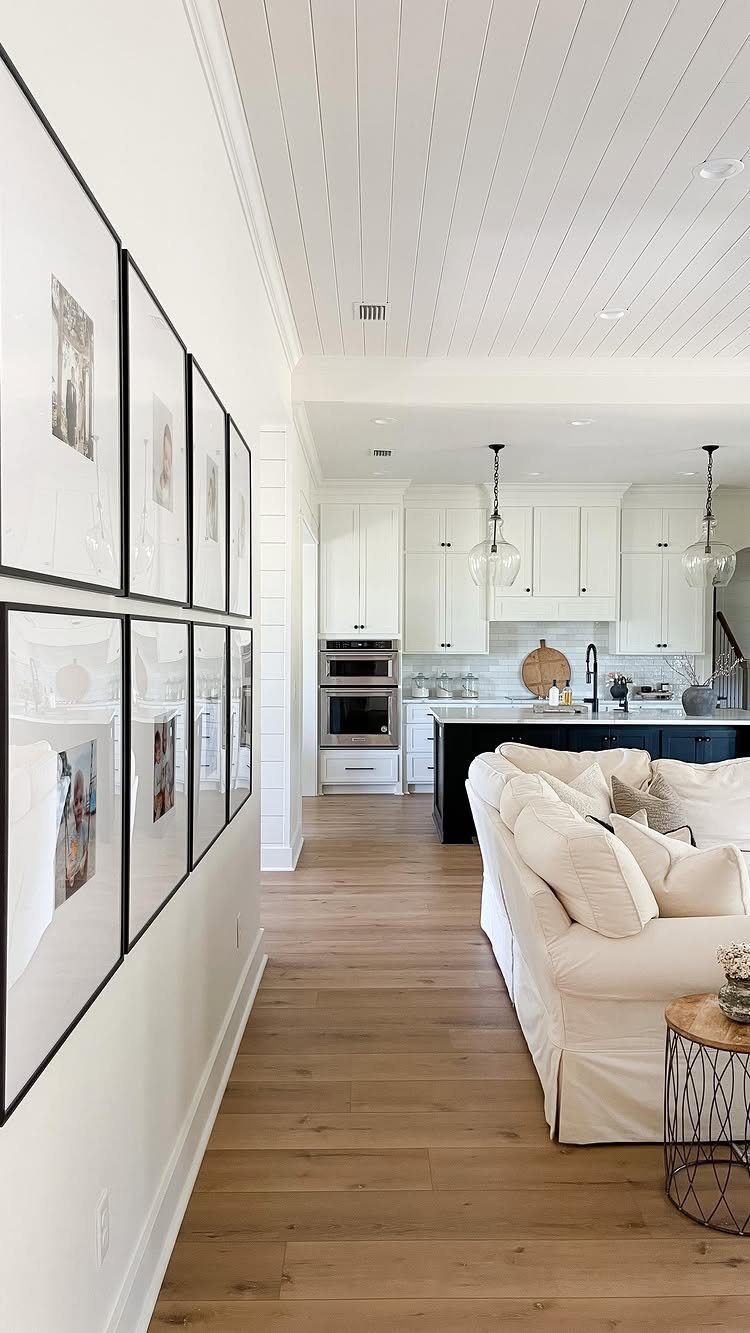
Cairo Oak hits that middle ground between warm and modern that makes an open floor plan feel intentional rather than pieced together.
The taupe-brown undertone reads as neutral without going gray, which means cream cabinets, brushed brass pulls, or even a navy island all sit comfortably on top of it.
Matte finish and subtle grain variation keep it from looking like a factory repeat across a big space. I’ve seen it hold up in kitchens where dogs, kids, and muddy boots all come through the same door.
If your house runs toward transitional or modern traditional, this is the one I’d point to first. It costs nothing extra in drama but gives back cohesion across rooms that share sightlines.
2. Blonde Oak
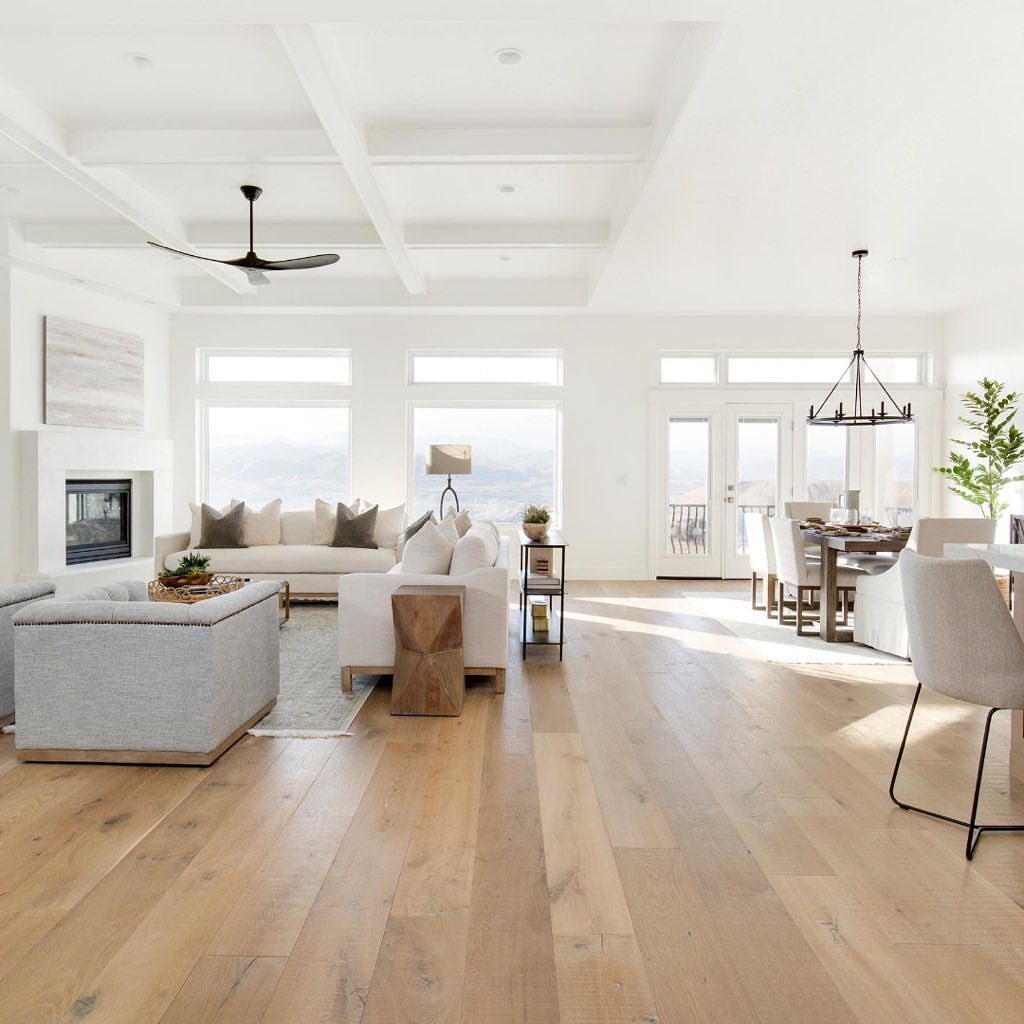
Blonde Oak carries a soft golden-beige base that reads as light without the coldness gray-leaning floors can pick up.
The tone works best in spaces that already get decent natural light; it amplifies what you have rather than fighting a dim room.
Coffered ceilings and white walls love this floor because it adds warmth without introducing a competing color. In an open living-dining layout, it keeps the eye moving instead of stopping at a dark visual anchor.
People who want their space to feel comfortable, pet owners, and anyone chasing that warm modern wood look usually end up choosing this one.
3. Calypso Oak
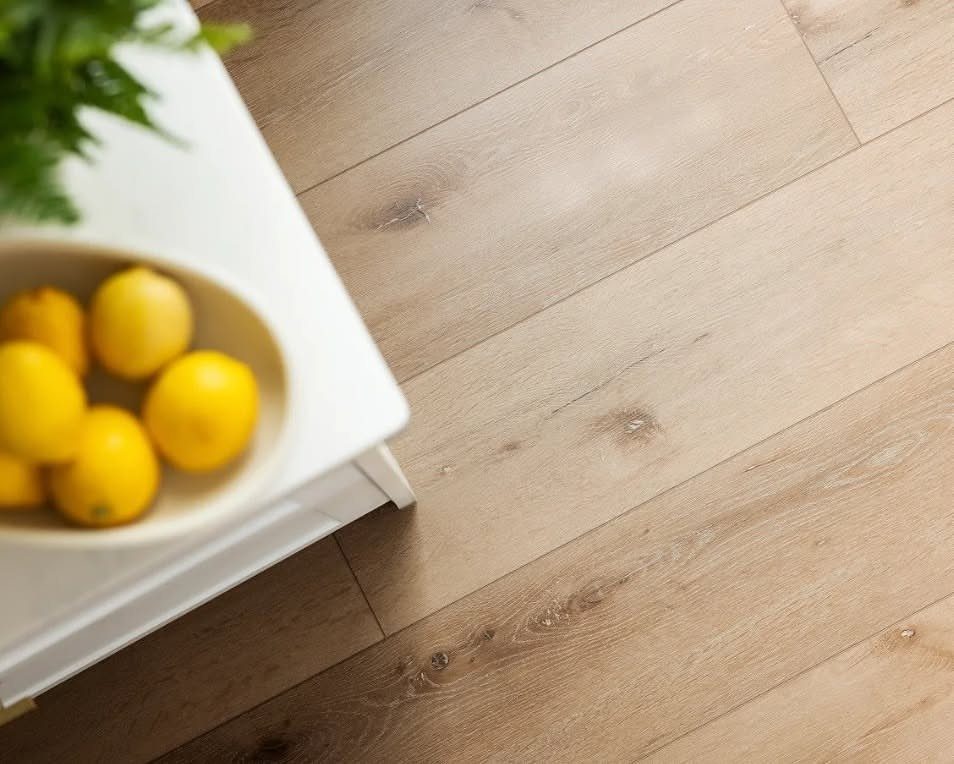
Calypso Oak looks sun-washed rather than bleached, with barely any knotting and slightly enhanced bevels that cast just enough shadow to read like real planks.
The pale tone suits coastal or quiet-luxury setups where you want the floor to recede and the furniture or art to carry the weight.
Bright, airy spaces are its natural home. A small living room opens up with this underfoot; a big kitchen stays calm.
The plank size matches what COREtec runs across most of its line, so the installation rhythm stays familiar if you’ve handled vinyl plank before.
Pair it with big artwork and keep the walls quiet; the floor has enough character to ground the room without shouting.
4. Parchment Oak
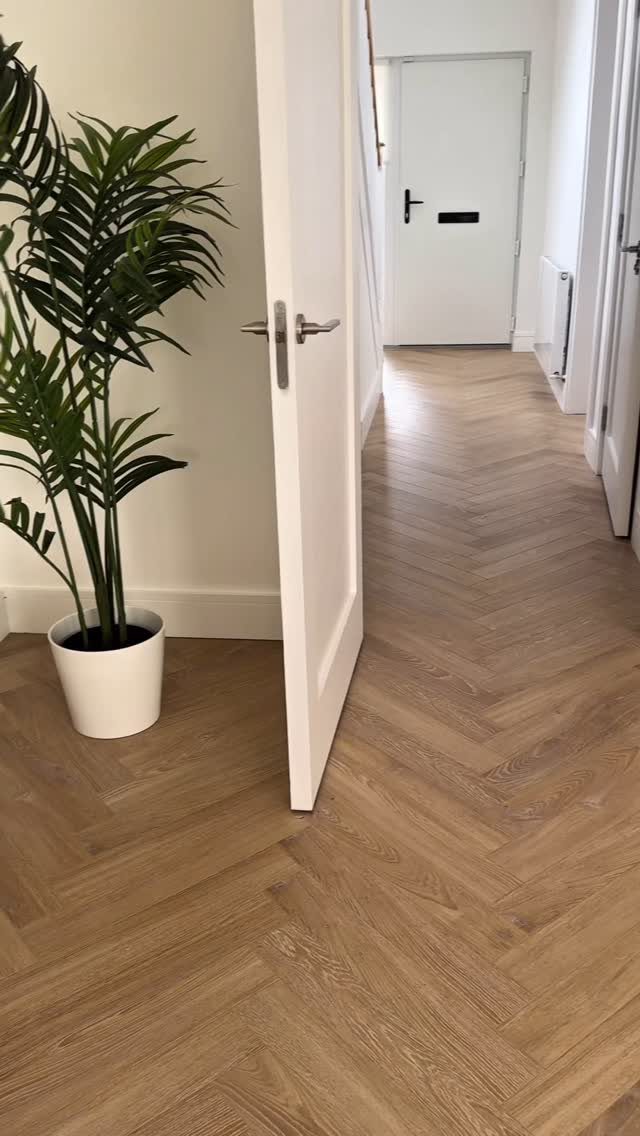
Parchment Oak in herringbone changes the conversation from "what color floor" to "what pattern first."
The creamy beige tone keeps it from feeling busy even in a narrow hallway, and the zigzag layout draws the eye forward toward whatever sits at the end.
Minimalist interiors benefit most here. The warmth is present but restrained, so white walls and spare furnishings don’t read as sterile.
Herringbone costs more in material waste and installation time than straight plank; plan on extra for both.
If you’re doing it yourself, the angle cuts demand a miter saw you trust and a layout line you check twice. For renters or anyone who might move, this is probably not the version to commit to.
5. Gold Coast Acacia
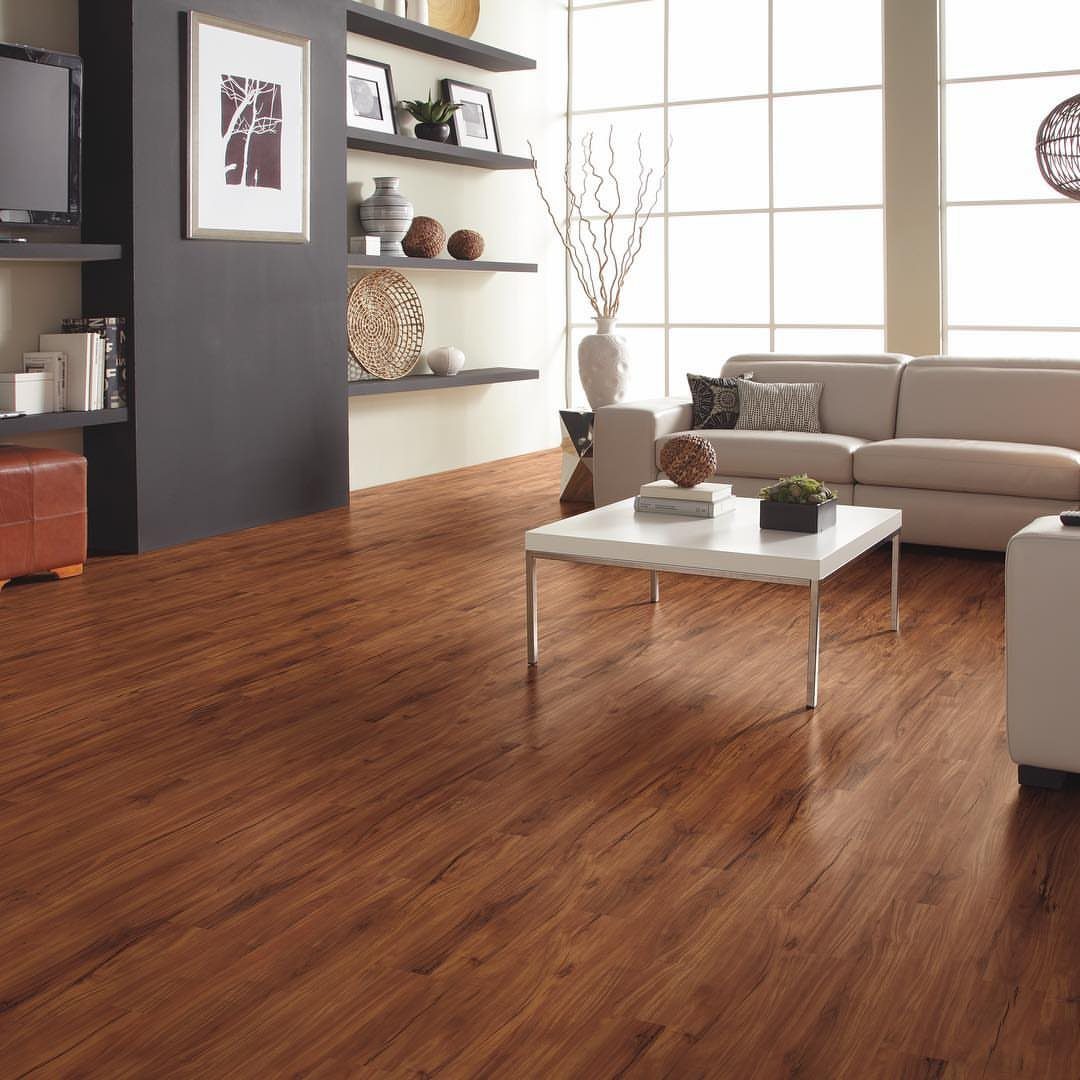
Gold Coast Acacia brings a honeyed depth that gray-obsessed years forgot, and the subtle variation between planks keeps a large room from going flat.
The tone catches morning light differently than evening, which is either a feature or a distraction depending on how much you like your floors to shift.
Transitional and rustic-chic spaces suit it best. Mixed metals and soft taupes balance the warmth without fighting it.
In a light-filled room with neutral walls, this floor becomes the grounding element that lets you skip area rugs.
The natural glow reads as character, not clutter. I’d put it in living rooms over kitchens; the richness feels better where you sit than where you spill.
6. Light Brown Wood-look Planks
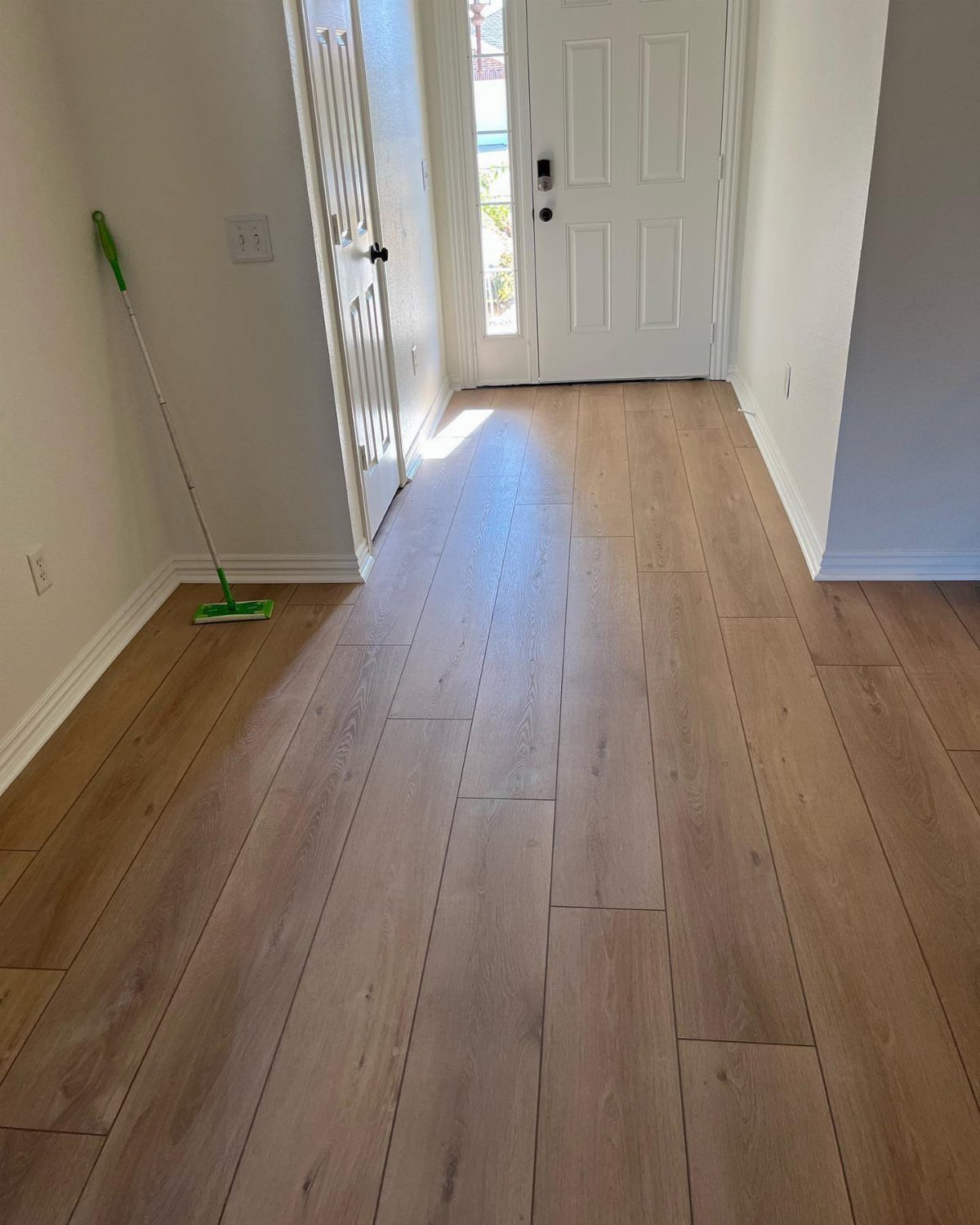
Light brown wood-look planks in a matte finish with natural grain patterns are the safe choice that doesn’t look like you gave up.
The tone hides dust, pet hair, and the scuffs that come with actual life better than anything paler or darker.
A hallway install like this one is straightforward: no tricky cuts around cabinets or islands, just straight runs and a door jamb or two to undercut. The green mop leaning there says this floor gets cleaned, not staged.
For a first project with tight money and a weekend, this is where I’d start.
It teaches the click-lock system without the pressure of a showpiece room, and the result still lifts the whole house. Save the herringbone and the acacia drama for after you’ve proven the process to yourself.
7. Light Wood Herringbone Flooring
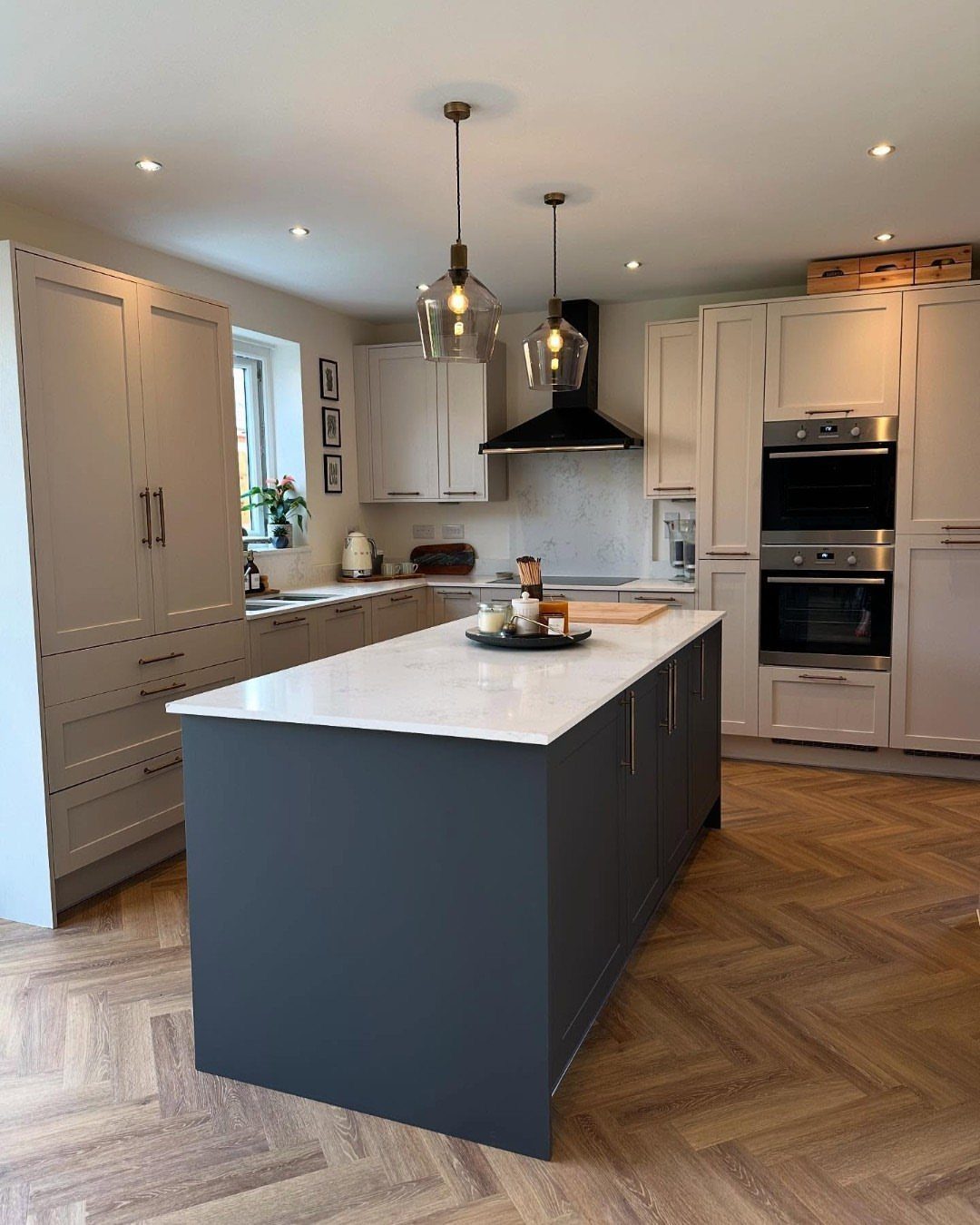
Herringbone turns a basic light wood floor into something that reads intentional the second you walk in.
The angled joints catch morning light differently than straight planks, and in a kitchen that already has clean cabinetry, that movement keeps the space from feeling too sterile.
COREtec makes this doable for a weekend install because the planks lock together without glue.
You will waste more material than with standard layout; buy extra and sort planks by tone before you start, since the pattern puts neighboring boards right up against each other. Any variation shows.
The look suits renters in flats with good bones who want to leave something behind, or owners selling soon who need a kitchen that photographs well.
It trades away the calm of simple plank flooring; if your counters are already busy, stick with a straight lay.
8. Dark Brown Wood Plank Flooring
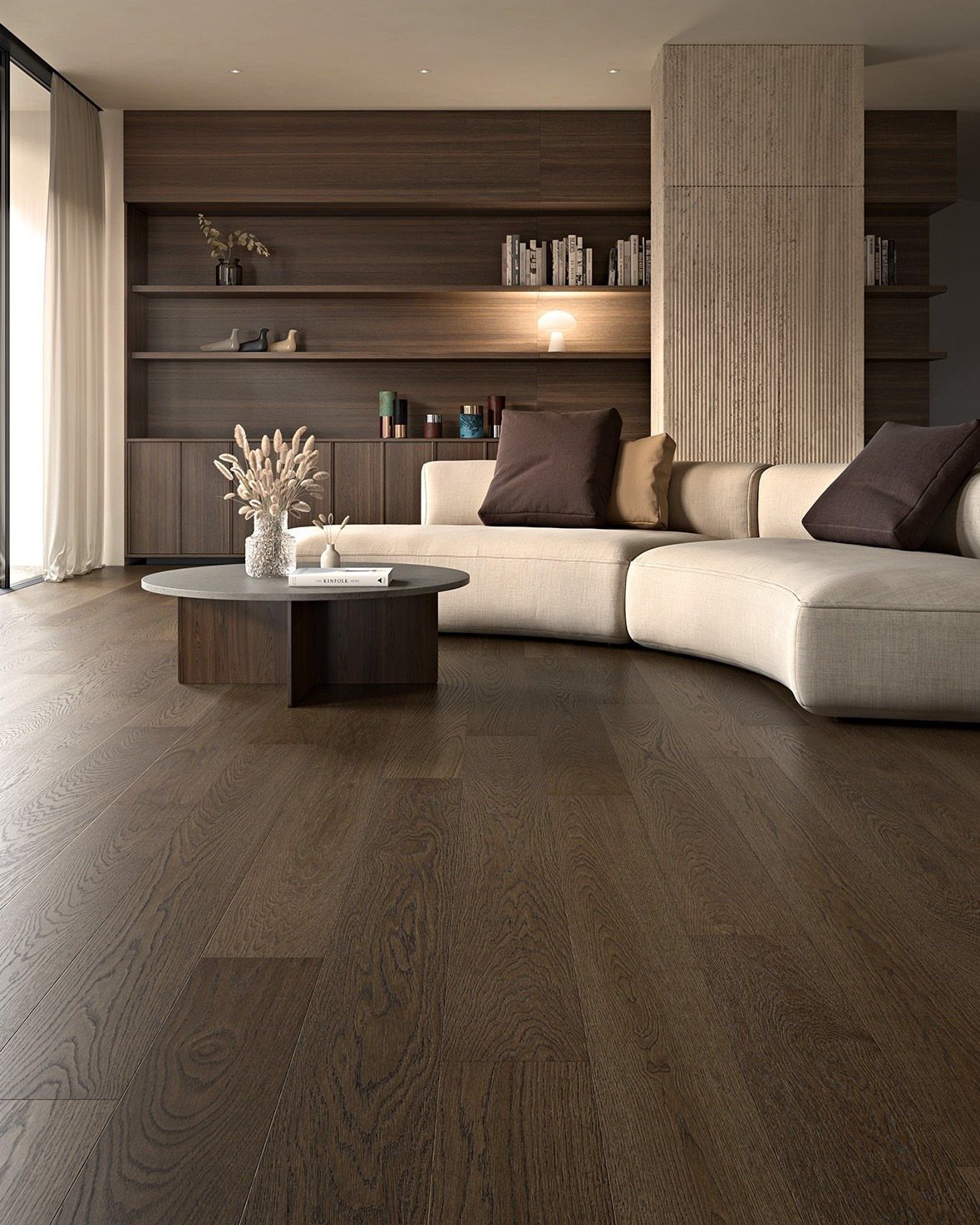
Dark brown planks ground a room in a way medium tones cannot, and against cream upholstery the contrast reads considered rather than harsh.
Pair it with shelving that matches the floor tone and a low, quiet coffee table so nothing else competes.
COREtec’s waterproof core matters more here than with lighter colors, since dark planks show every dust streak and every drip.
I would run a robot vacuum daily rather than fight it with a mop, and I would place that rug strategically near the entry whether the room needs one or not.
This color suits north-facing rooms that need weight, or households with dark built-ins they cannot change.
It trades away the flexibility to shift toward Scandinavian or coastal later without replacing the floor. If you repaint walls every few years, lighter planks give you more runway.
Durability and Maintenance
Kitchens, bathrooms, laundry rooms, and the paths your kids and dogs actually use are all fair game.
The surface cleans with a damp mop; no waxing, no refinishing, no panic when someone overflows the sink. Pet accidents sit on top rather than soaking through, which matters more with dark planks where every water spot announces itself.
For busy households, that combination means you install it once and live on it without treating the floor like a museum piece.
Design Trends
Warm natural oak tones have taken over from the gray wave that ran the last decade.
Cairo Oak and Blonde Oak sit at the center of that shift, along with other natural oak finishes moving through showrooms in Texas and well beyond.
The direction that keeps showing up is calm, natural, and lived-in: lighter woods, tactile finishes, and materials that connect to something organic. Designers are building interiors that feel easy to breathe in, and the flooring color sets that tone first.
Cool gray reads as dated now against white walls that have warmed up and brass hardware that has come back. If you’re repainting anyway, the floor color should match where the walls are headed, not where they were.
Installation and Visuals
Before you commit to a color, snap a photo of your actual room and run it through COREtec’s free online room visualizer.
The tool lets you search styles against your own walls, light, and furniture rather than guessing from a showroom sample.
You can compare up to 4 favorites side by side, which matters more than it sounds.
A plank that reads as warm beige under store fluorescents may shift cooler or greener against your north-facing windows. The compare feature catches that before you order.
Free samples are worth ordering for anything you’re seriously considering. A small chip tells you less than you’d think; hold the full plank in your space at morning, noon, and evening before you decide.
Transform your space with COREtec’s luxury vinyl floors, featuring tile and stone visuals, easy cleaning, and 50% savings on installation time and costs.
Customer Preferences
Busy families, pet owners, and anyone with a high-traffic kitchen or living room are driving the popular styles. The demand is for floors that read as designed but survive as utility.
Cairo Oak lands in that pocket most often for households where durability matters as much as the first impression.
The practical buyer is looking for one floor to handle all rooms, not a different product per zone.
Waterproof plank across the whole house simplifies both installation and maintenance, and the popular colors are the ones that make that single choice feel intentional rather than a compromise.
Frequently Asked Questions
What are the most popular COREtec colors?
Cairo Oak, Blonde Oak, Calypso Oak, and Gold Coast Acacia sit at the top of most lists. Cairo Oak leads in sales because its taupe-brown undertone hits a middle ground that works with almost any cabinet or wall color.
Blonde Oak and Calypso Oak follow close behind, one for warm modern spaces, the other for coastal or minimalist setups.
What is the most popular vinyl plank color?
The gray floors that dominated the last decade are losing ground to warmer looks, and natural oak is what most buyers ask for first.
Within COREtec’s line, Cairo Oak is the current best seller; its neutral warmth reads intentional in open plans without locking you into one design direction.
What color flooring is trending right now?
Warm natural oak tones are moving past cooler grays in most markets.
Homeowners want floors that feel inviting rather than trendy, and mid-tones like Cairo Oak or light neutrals like Calypso Oak flow across open kitchens and living rooms without fighting the furniture.